Serengeti National Park
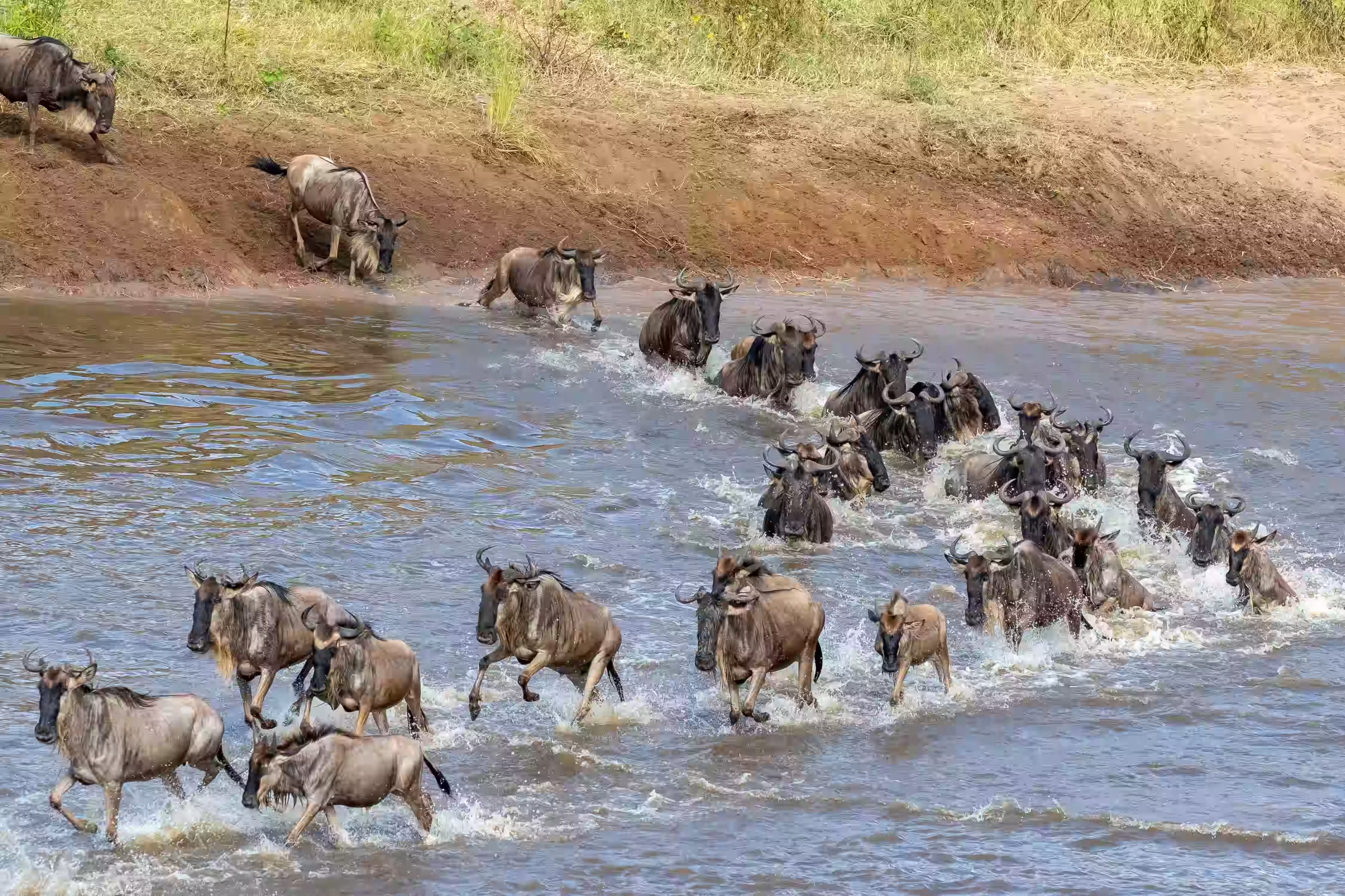
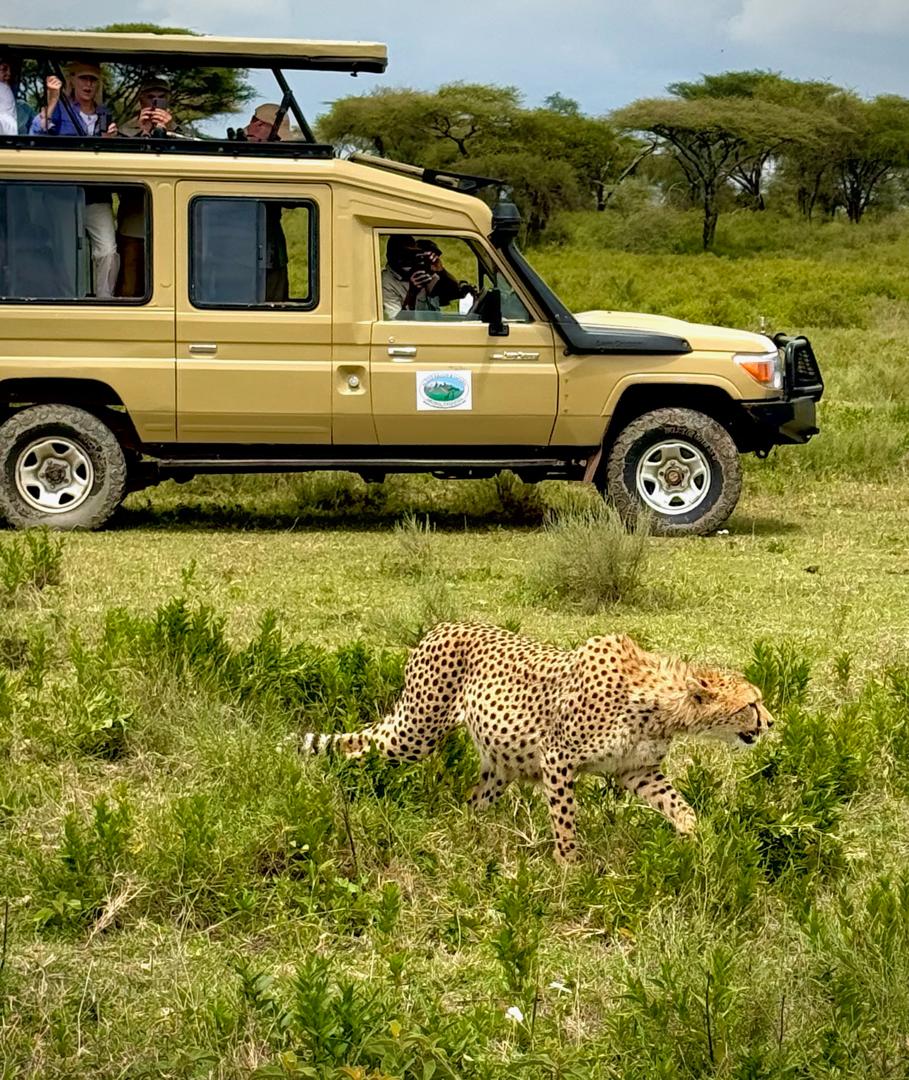
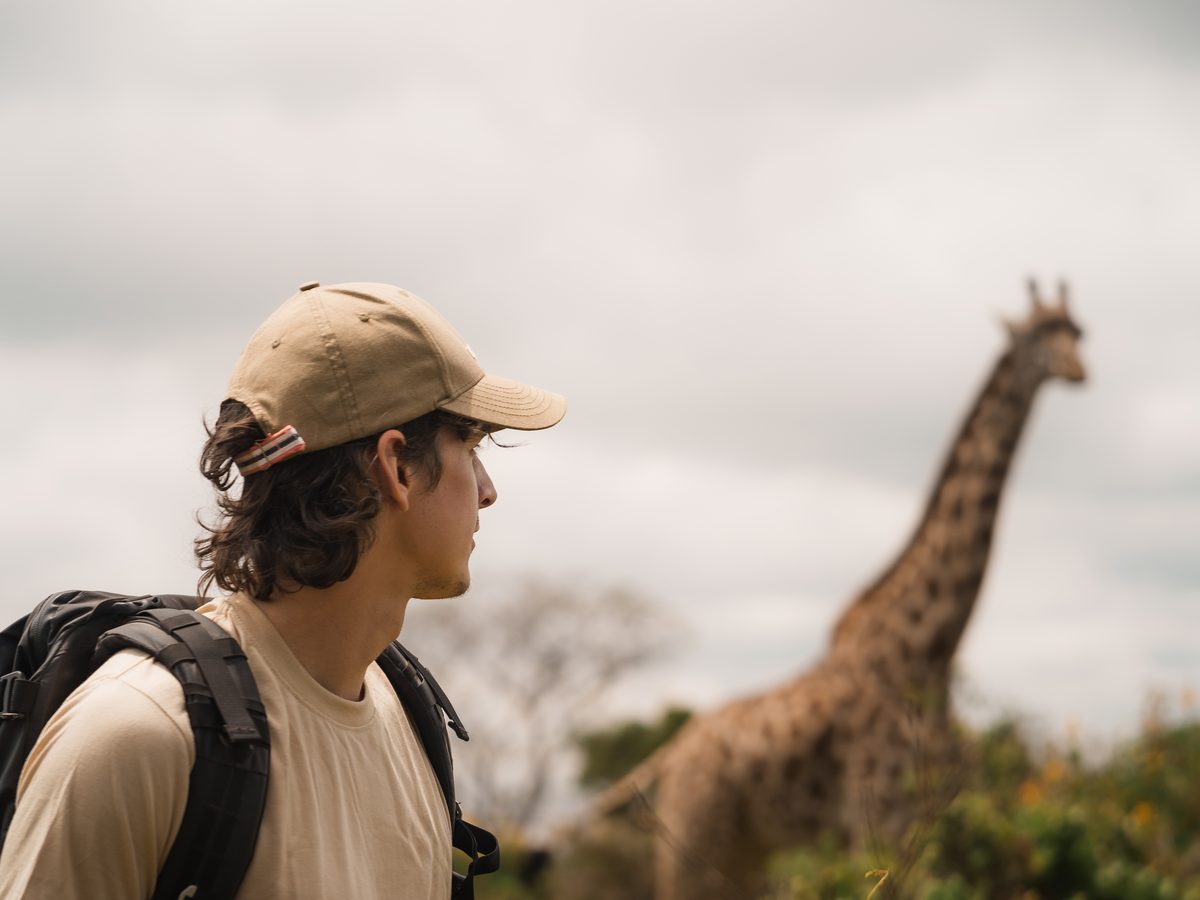
Endless plains — the stage for the Great Migration, the greatest predator spectacle on earth.
Read more →The north for its icons, the south for its space, the west for its forests.
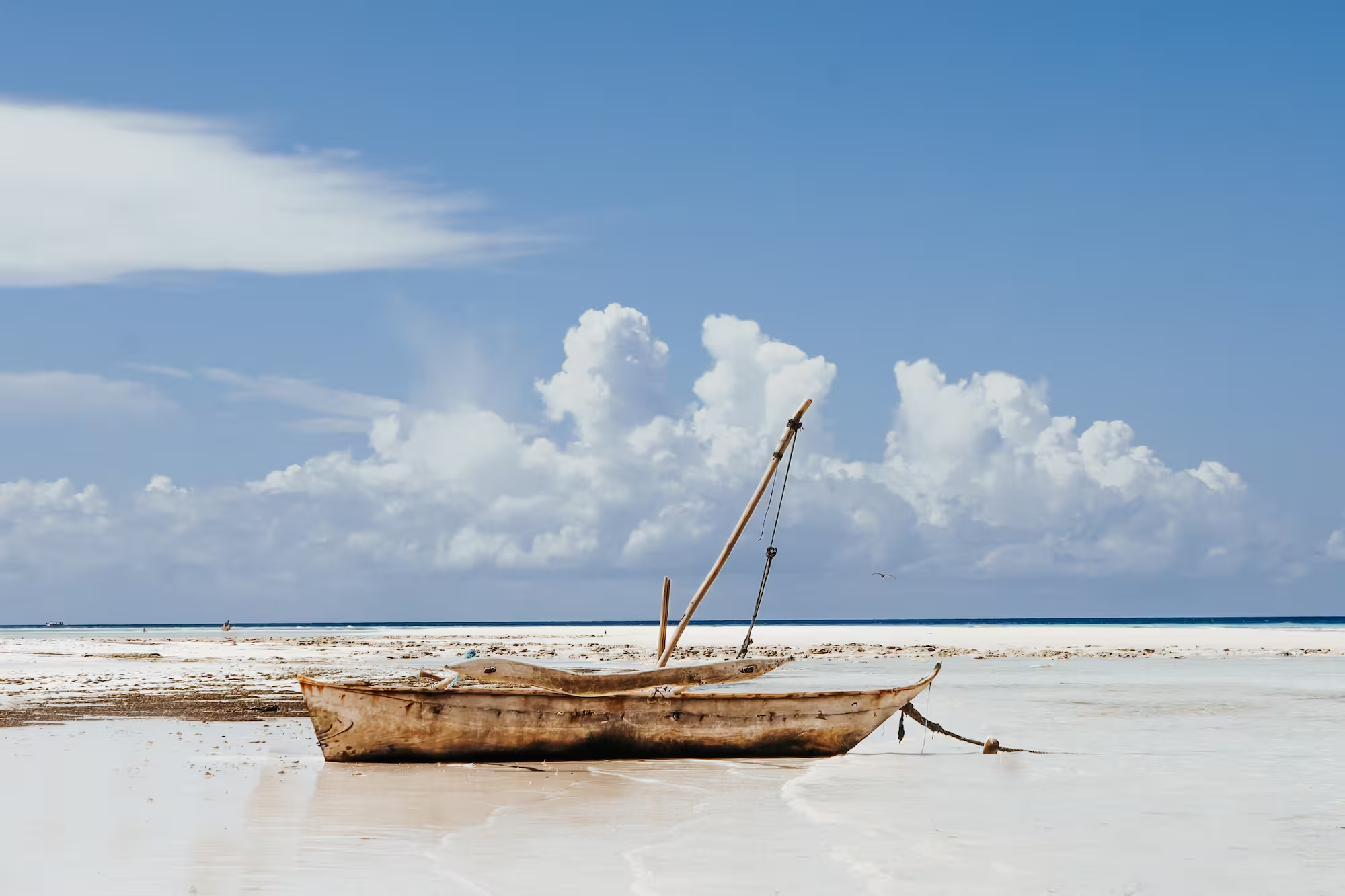
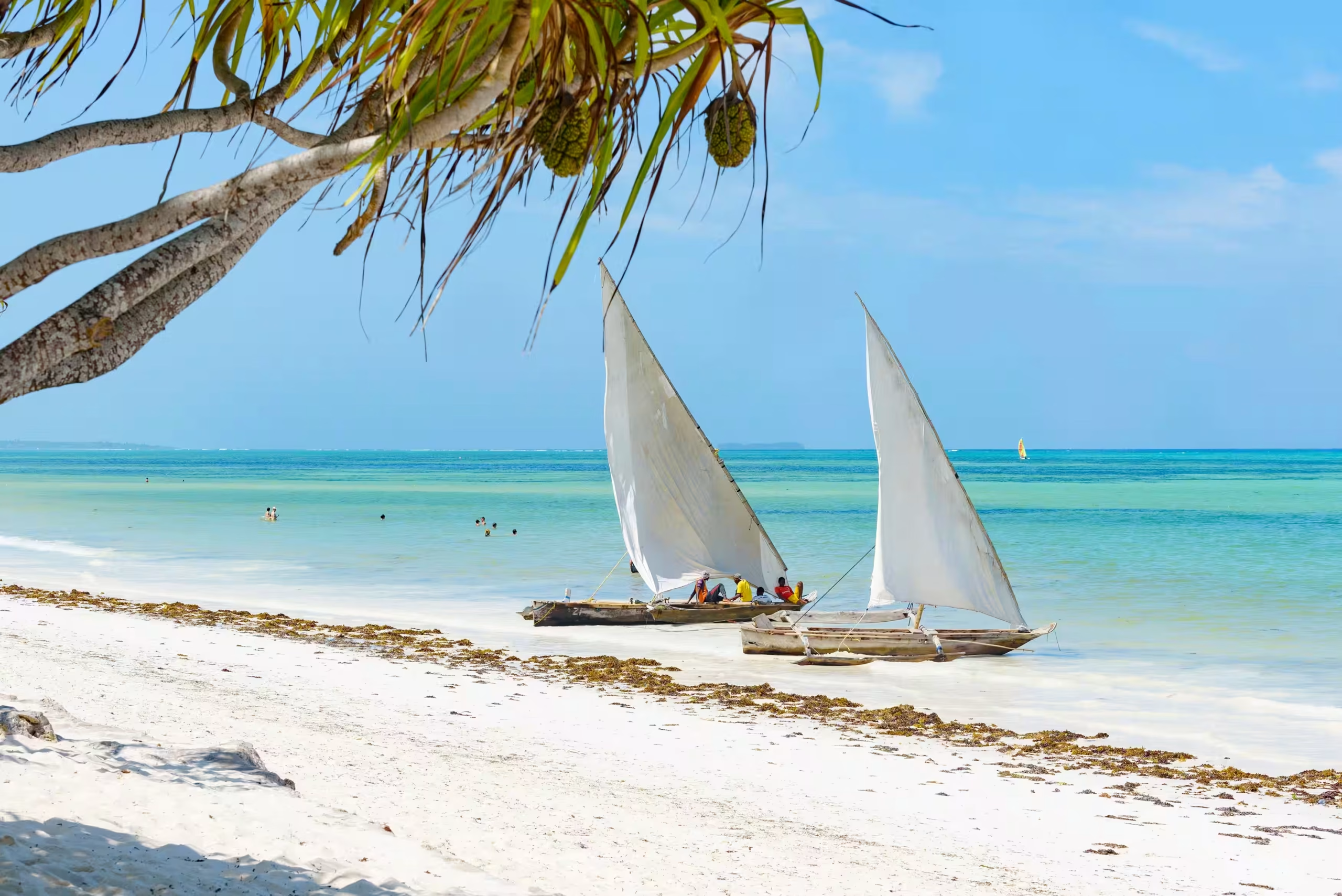
Four very different stretches of Swahili coast. Most give it four nights; we would argue for six.
Route choice decides your summit odds far more than fitness does.
A Tanzanian team, based in Arusha, guiding the trips we sell.
The questions we answer every week, written down properly once.
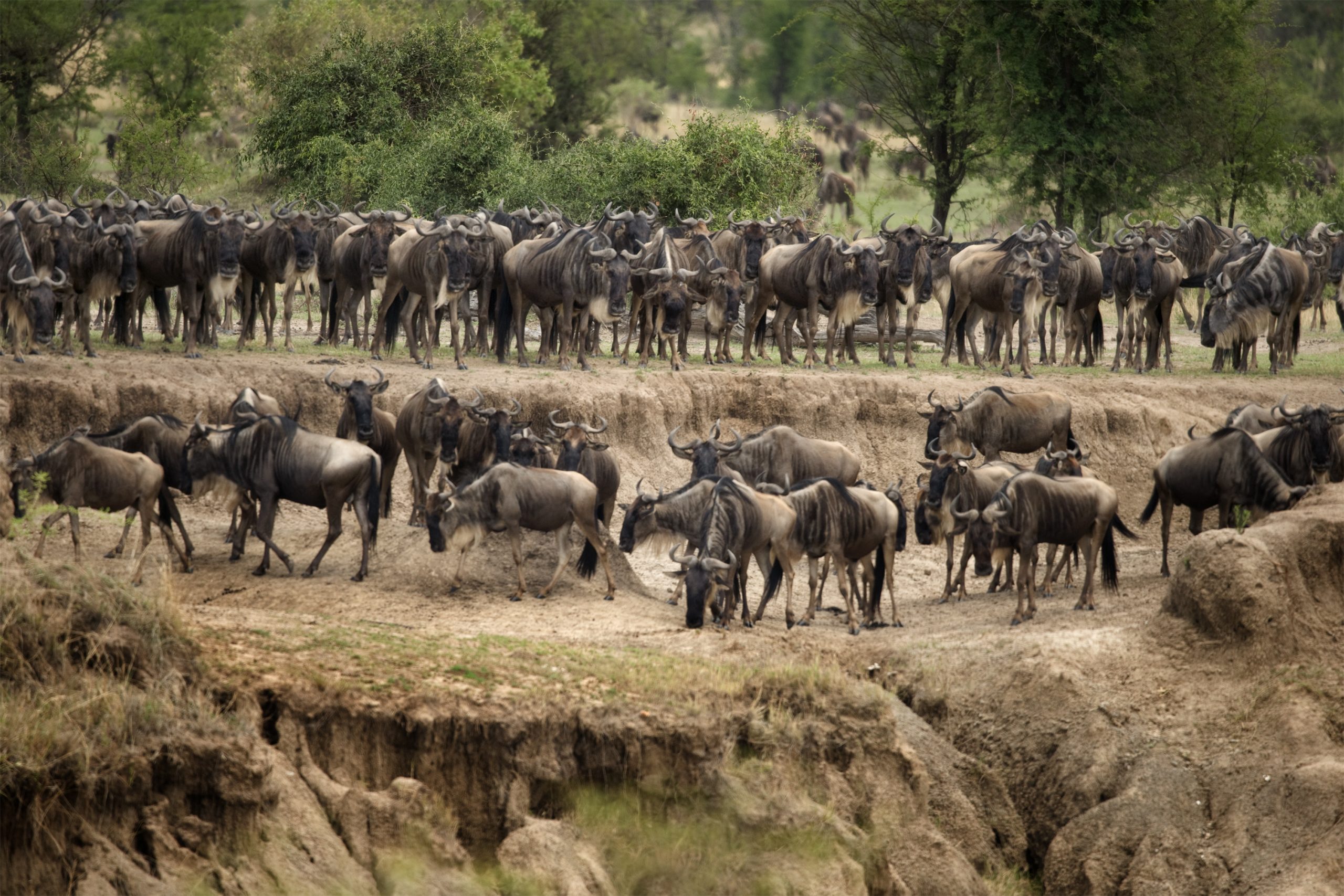
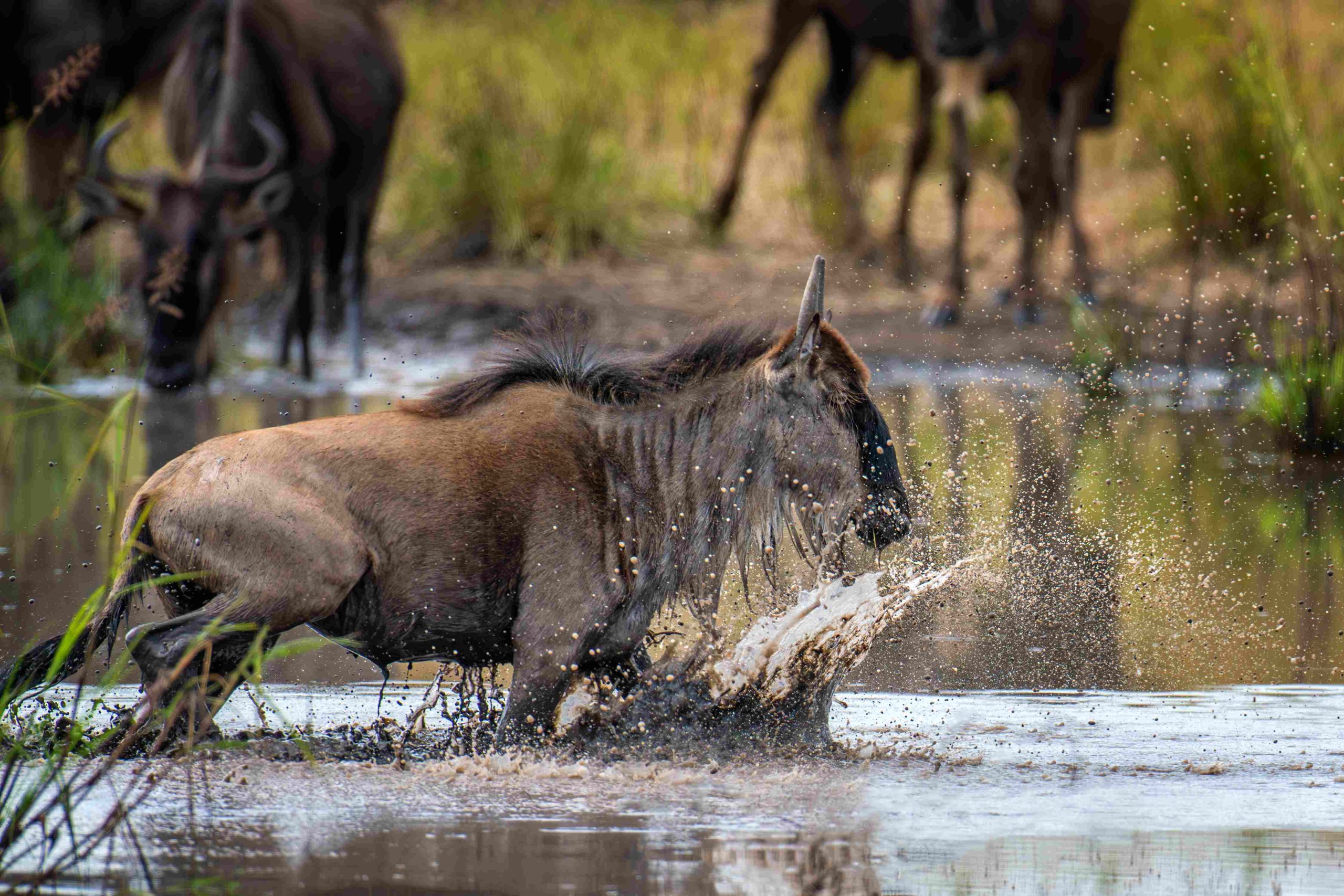
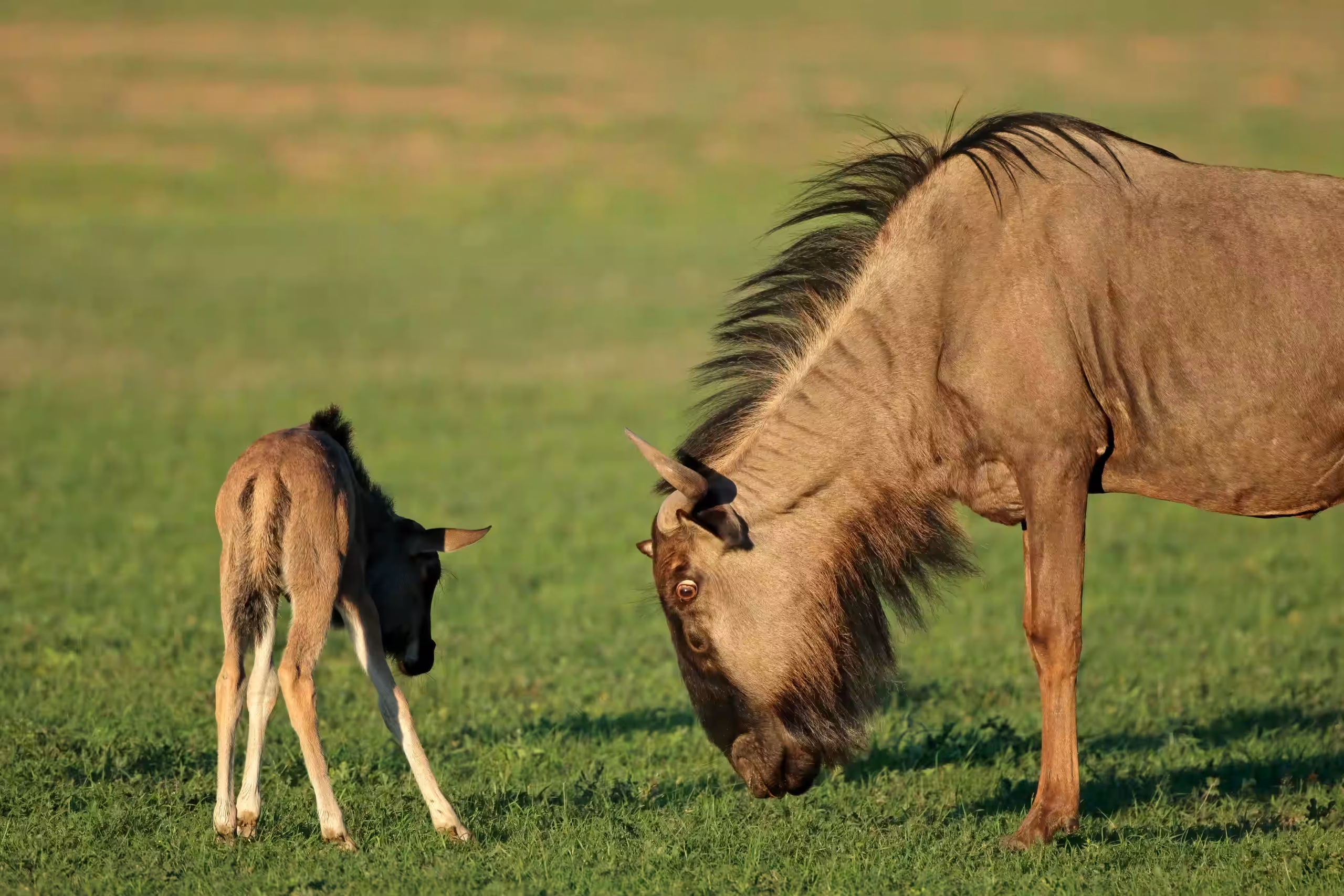
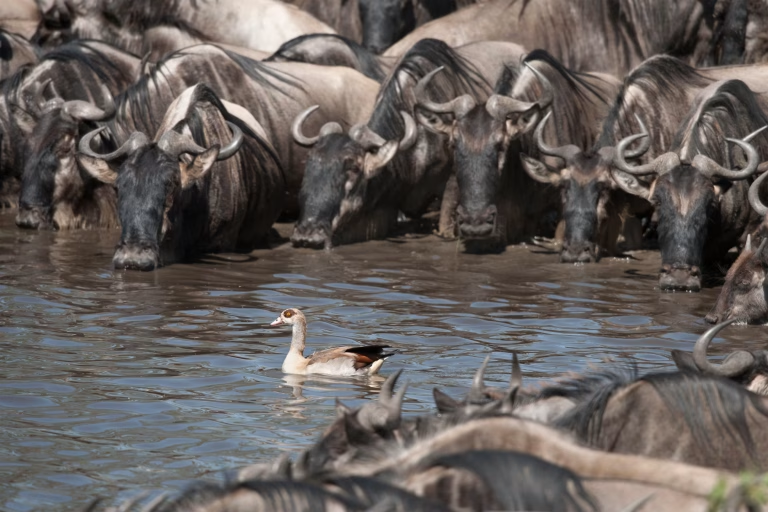 4 guidesThe Great MigrationWhere the herds are month by month, river crossings, calving and the Grumeti.
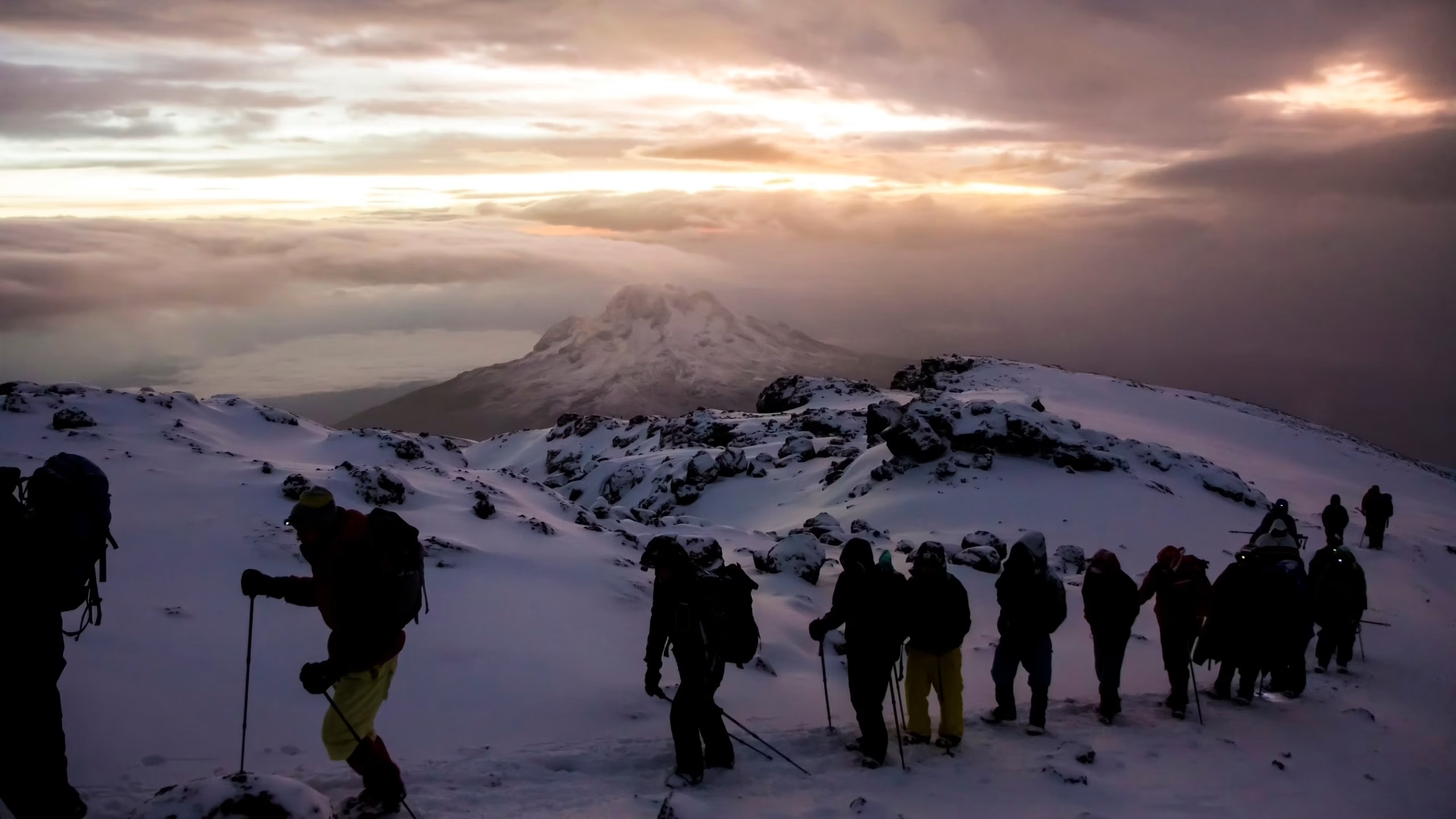
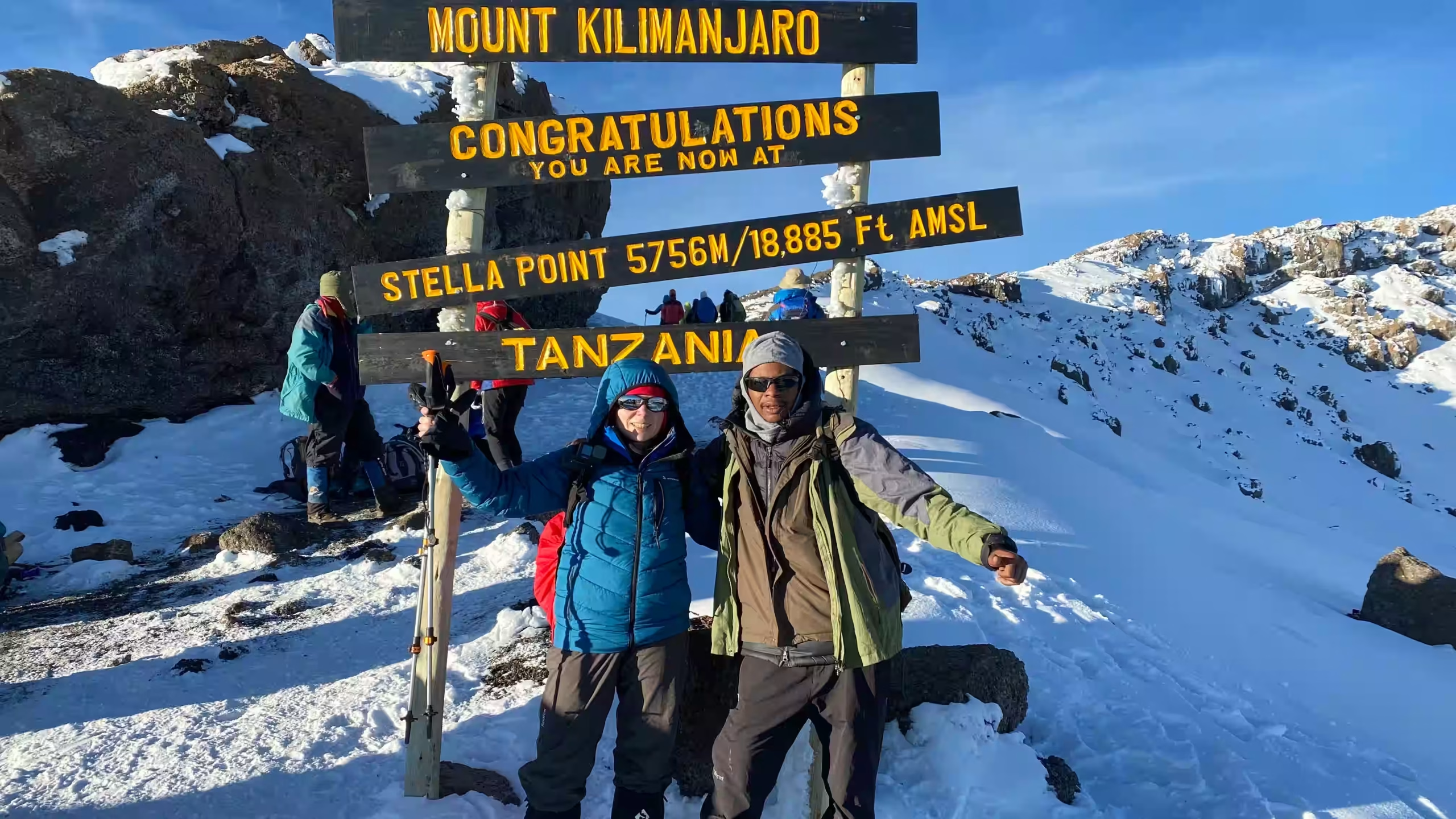
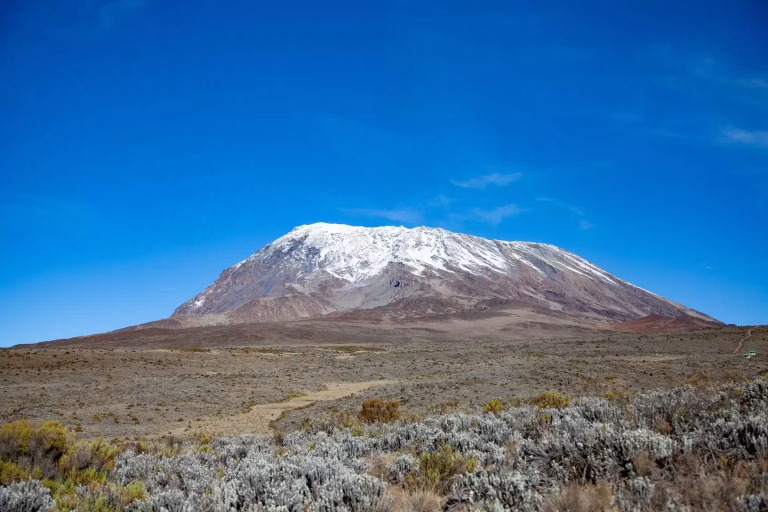 6 guidesKilimanjaroChoosing a route, altitude, summit night, porters and when to climb.
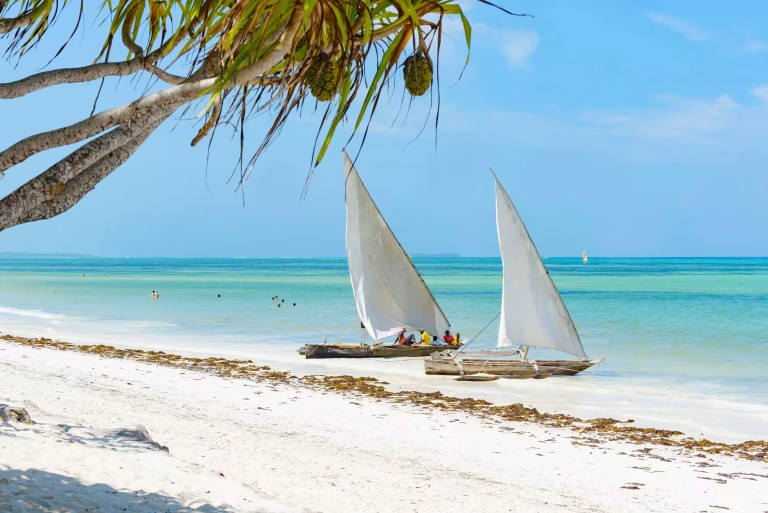 4 guidesZanzibar & the coastHow many nights, Pemba or Zanzibar, Mafia’s whale sharks and Stone Town.
Any itinerary can be shaped around the way you actually want to travel.
Eight of them, and not one is a countdown clock.
For the days either side of a climb, or a first taste of Tanzania before the long safari begins. All from Arusha or Moshi.
















Nothing matches that combination yet — tell us what you had in mind and we will build it.
See every journeyThe icons of the north, the quiet parks of the south, the chimpanzee forests of the west and the whole Indian Ocean coast. We have walked every one.
Endless plains — the stage for the Great Migration, the greatest predator spectacle on earth.
Read more →
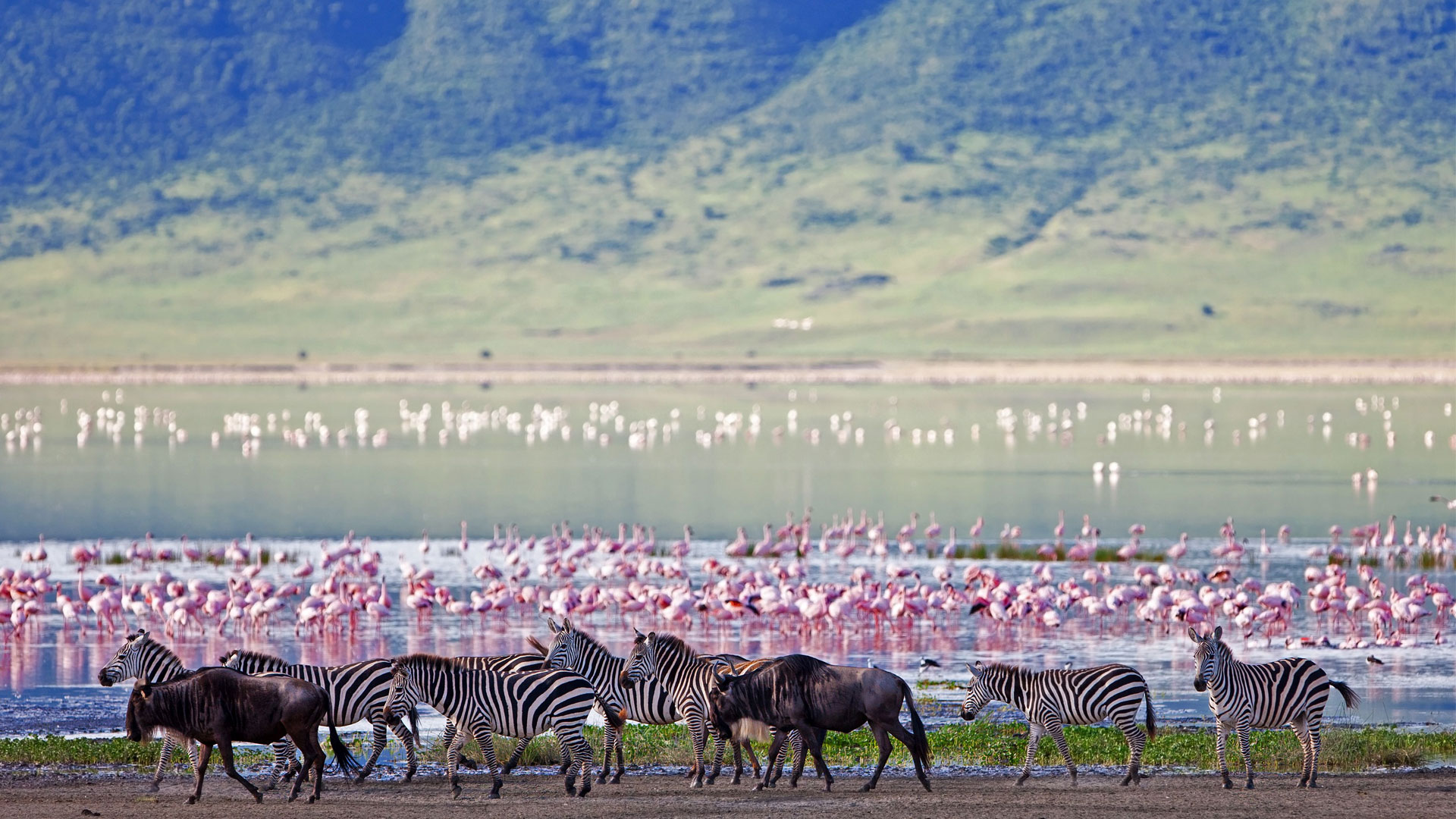
A collapsed volcanic caldera. Africa's densest wildlife concentration, and the last rhinos of the north.
Read more →
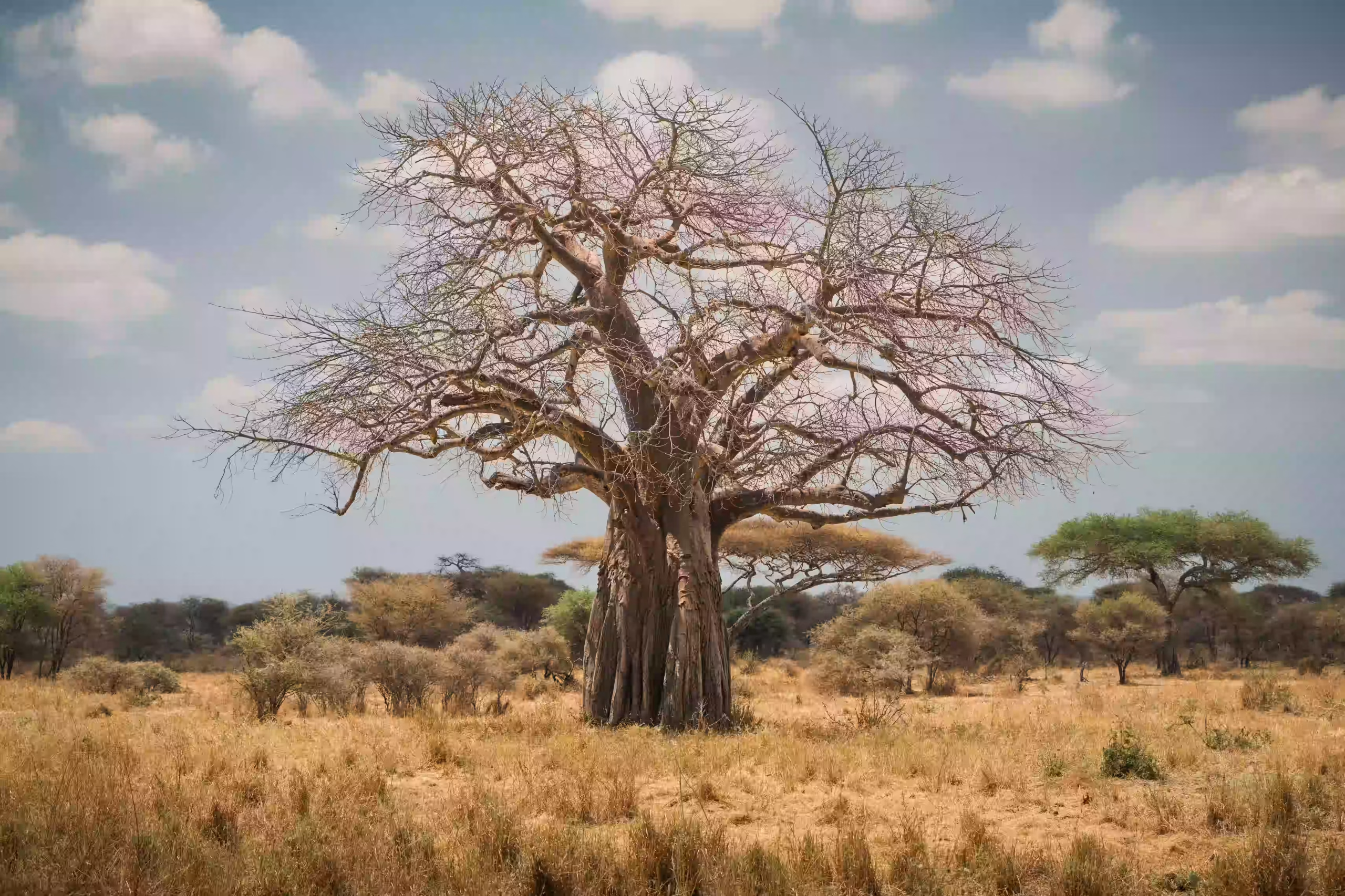
Ancient baobab country. Tanzania's largest elephant herds, at the shrinking Tarangire River.
Read more →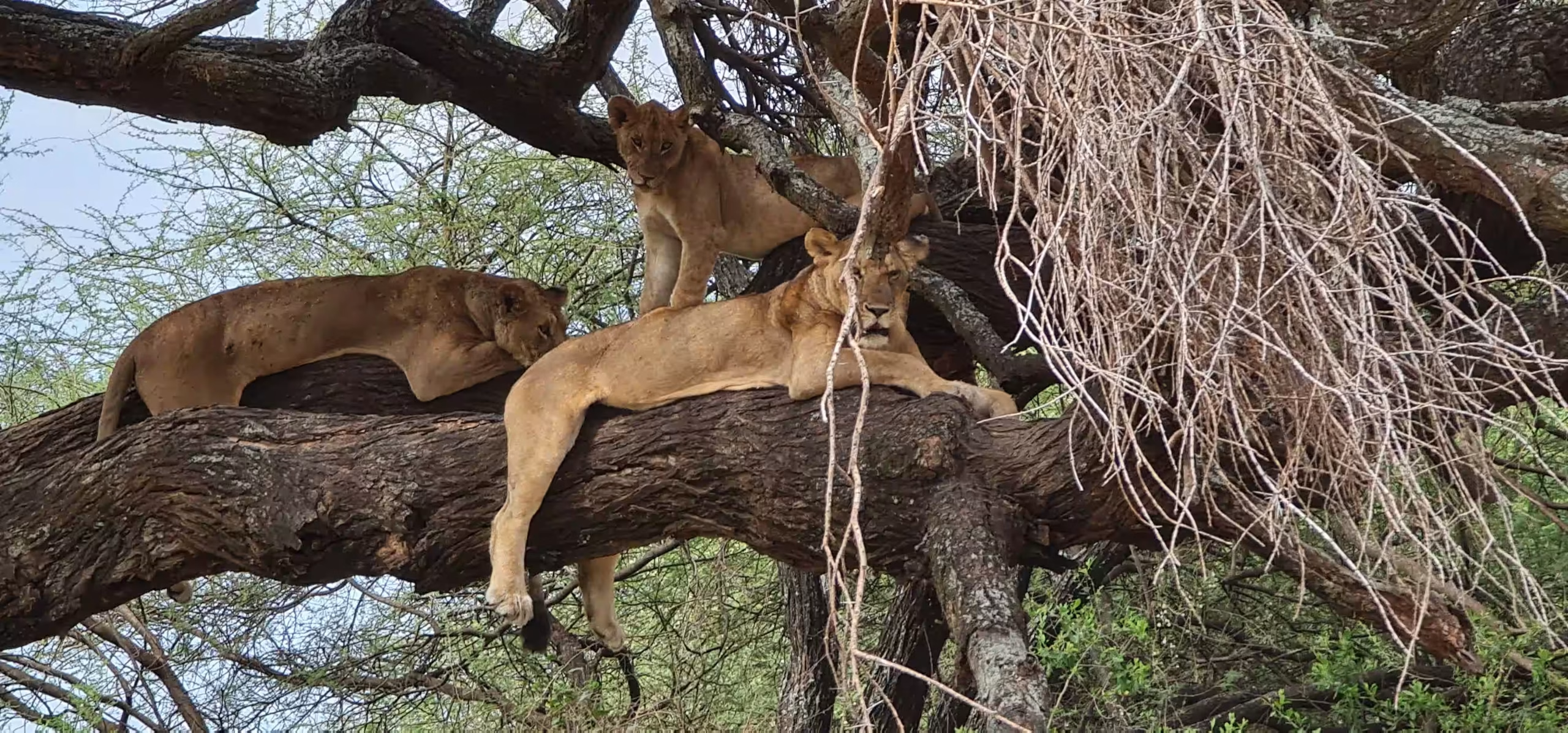
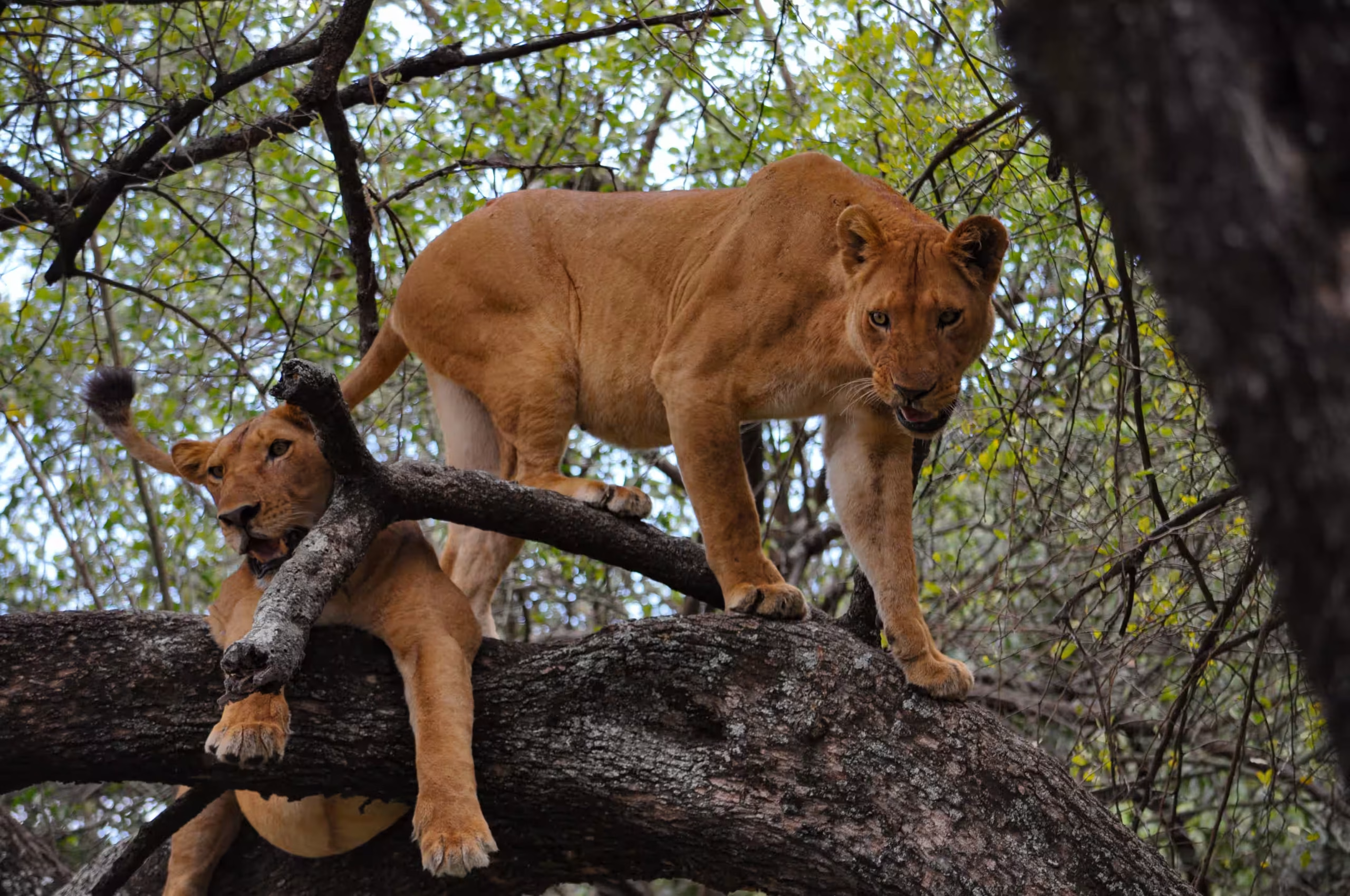
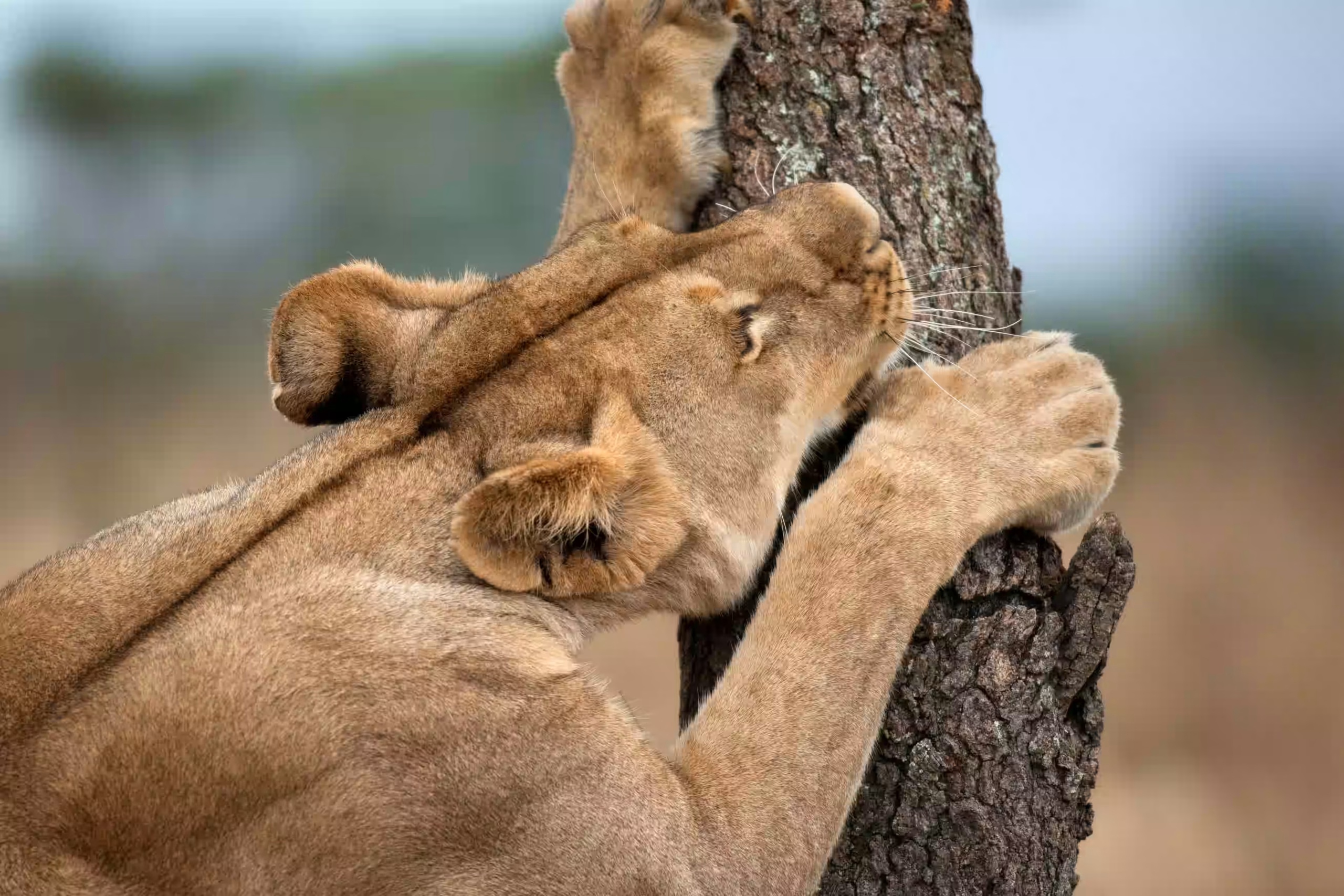
A narrow rift-valley lake park. Tree-climbing lions, 400+ bird species, ancient fever-tree forest.
Read more →
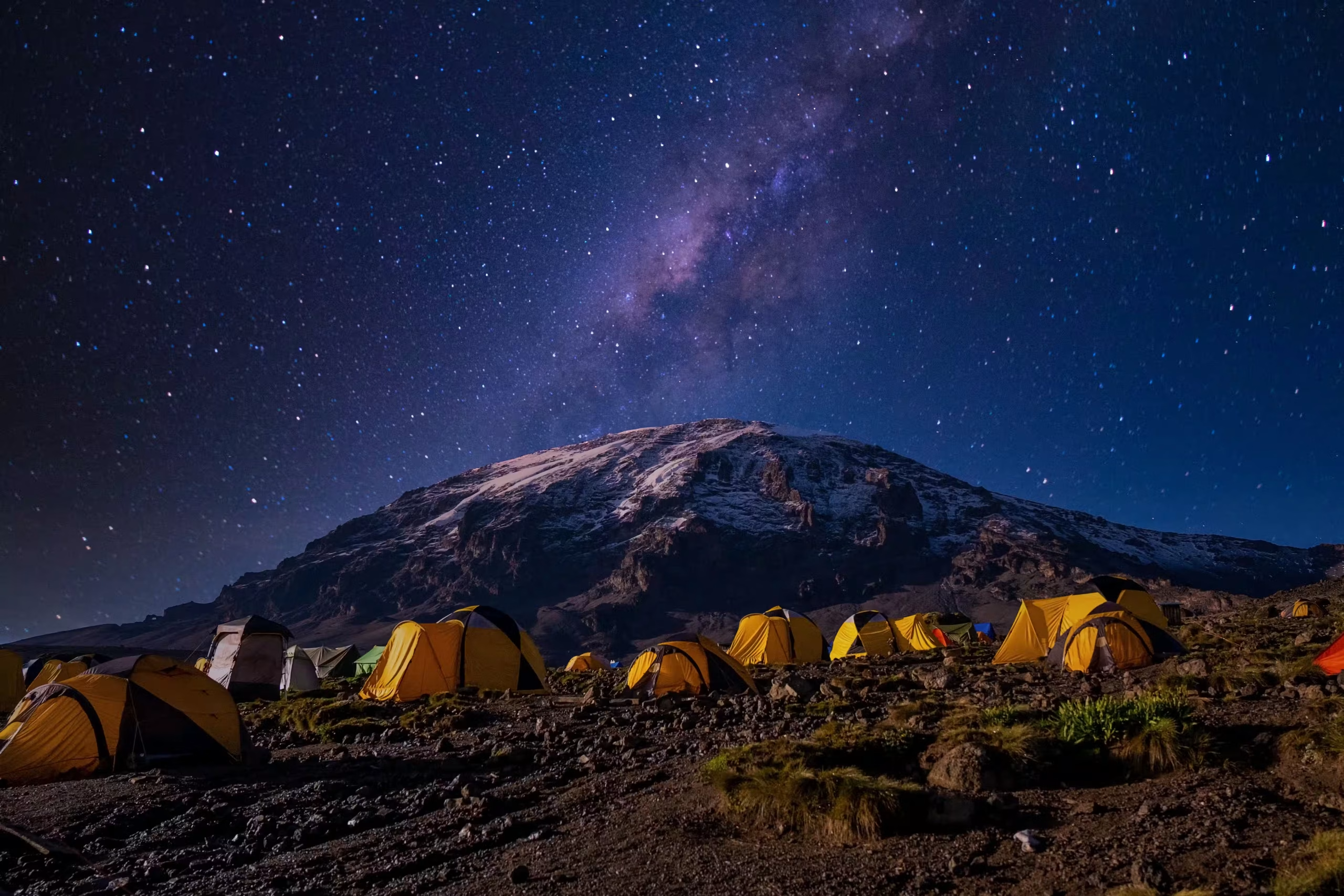
The highest free-standing mountain on earth. Farmland to arctic ice in under a week, and no ropes.
Read more →
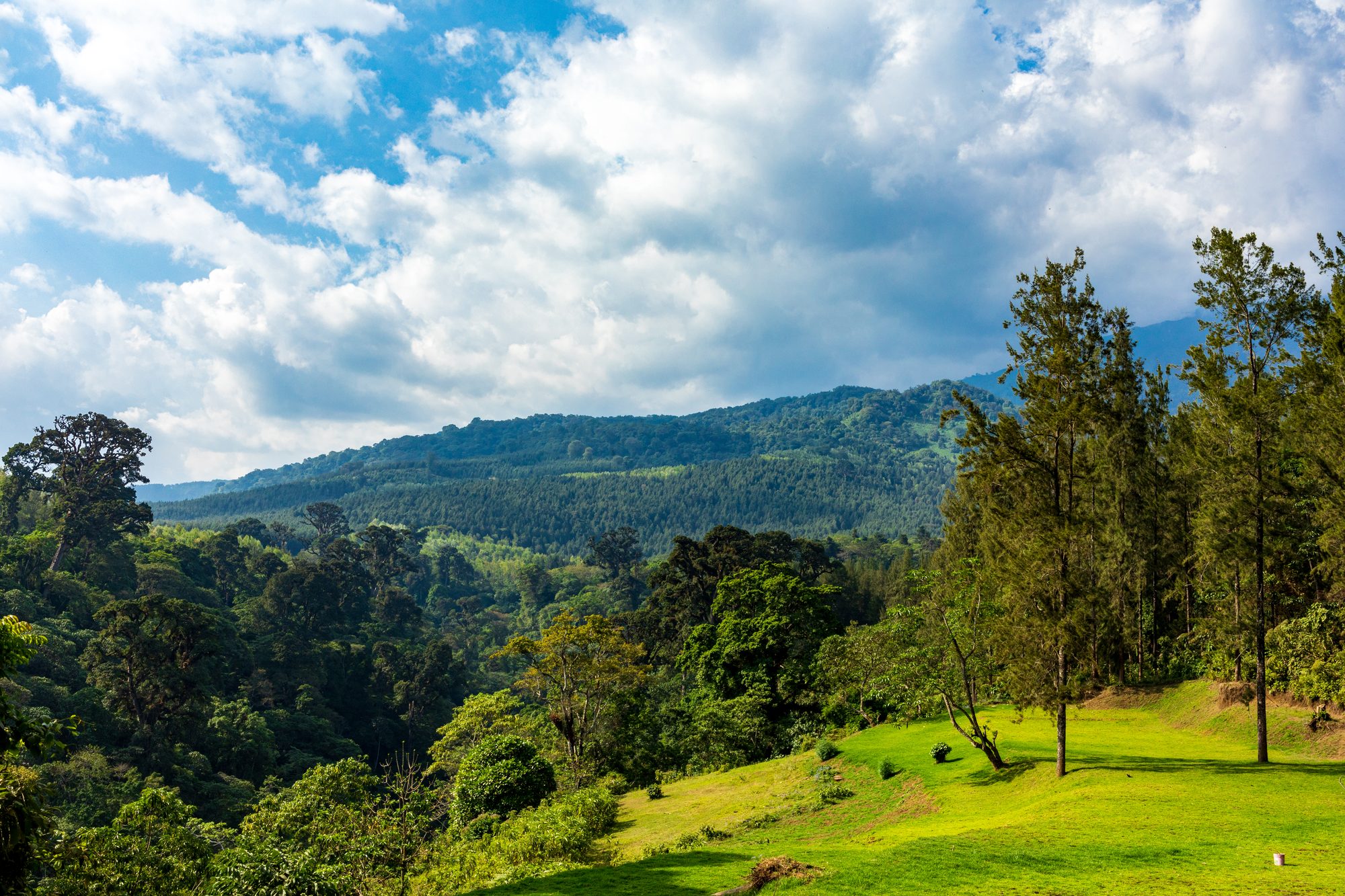
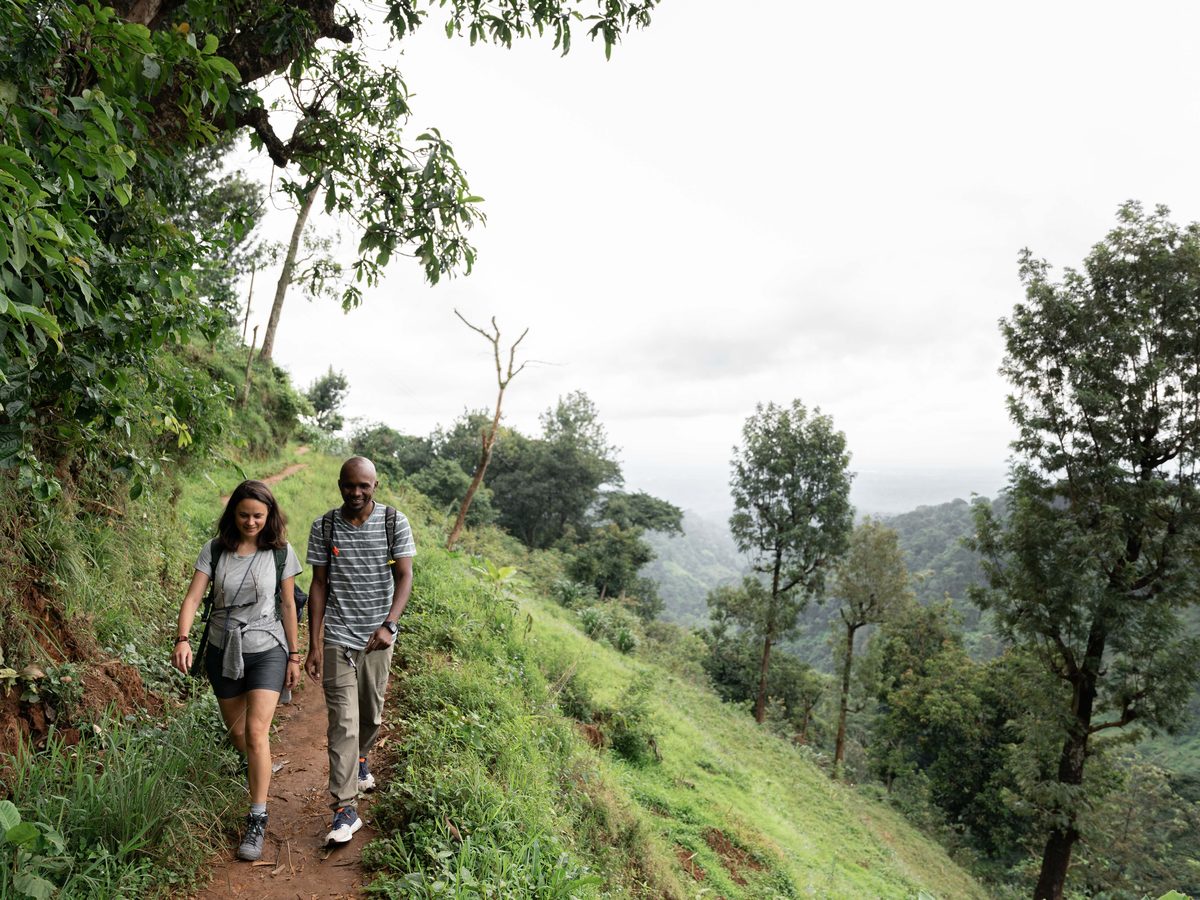
Tanzania's second mountain, kept by climbers to themselves. Walked with a ranger through buffalo forest.
Read more →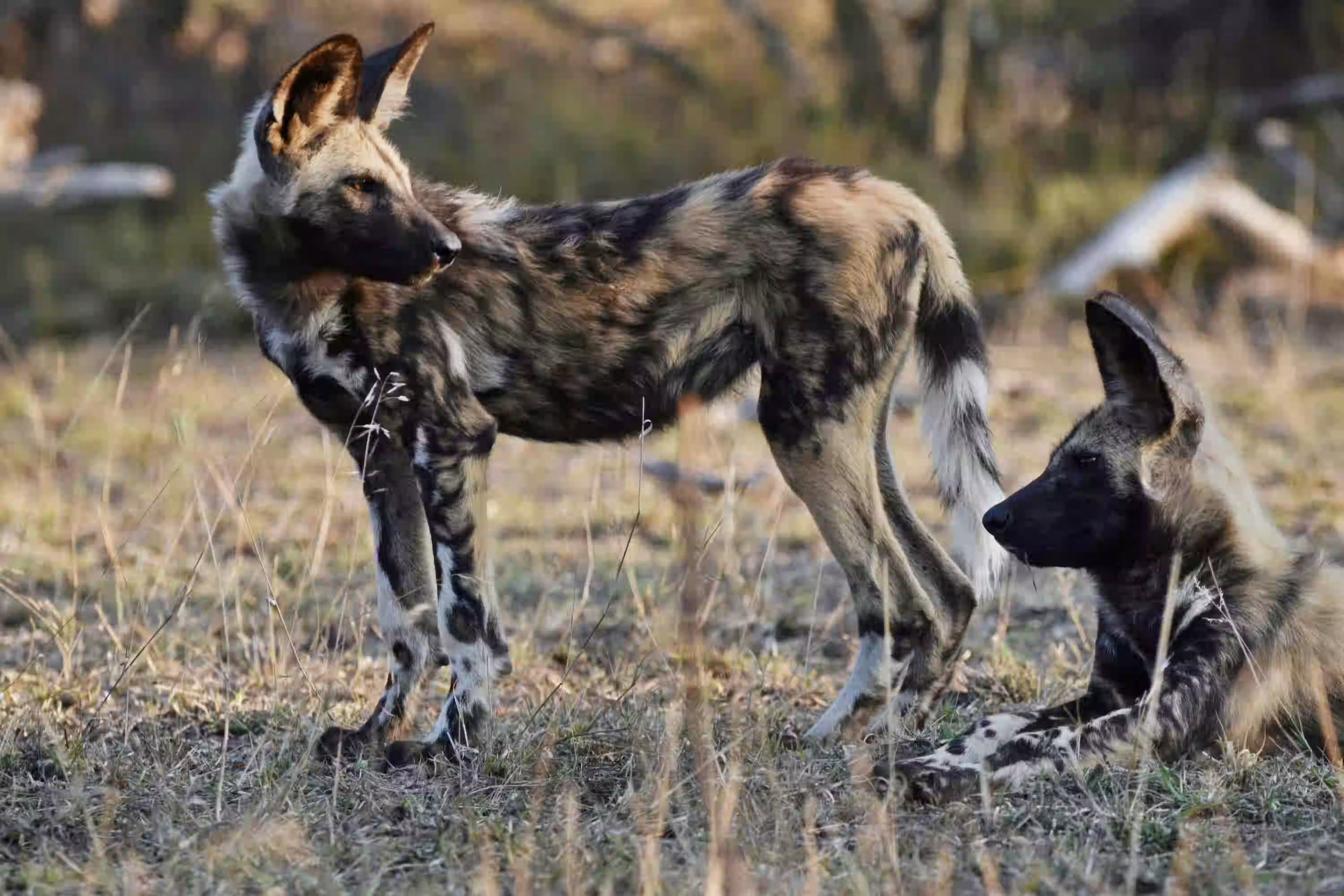
Tanzania's largest park — remote, rugged. The country's richest ground for lion prides and wild dogs.
Read more →
Formerly Selous. Half the size of Switzerland. Boat safaris, walking safaris, vast horizons.
Read more →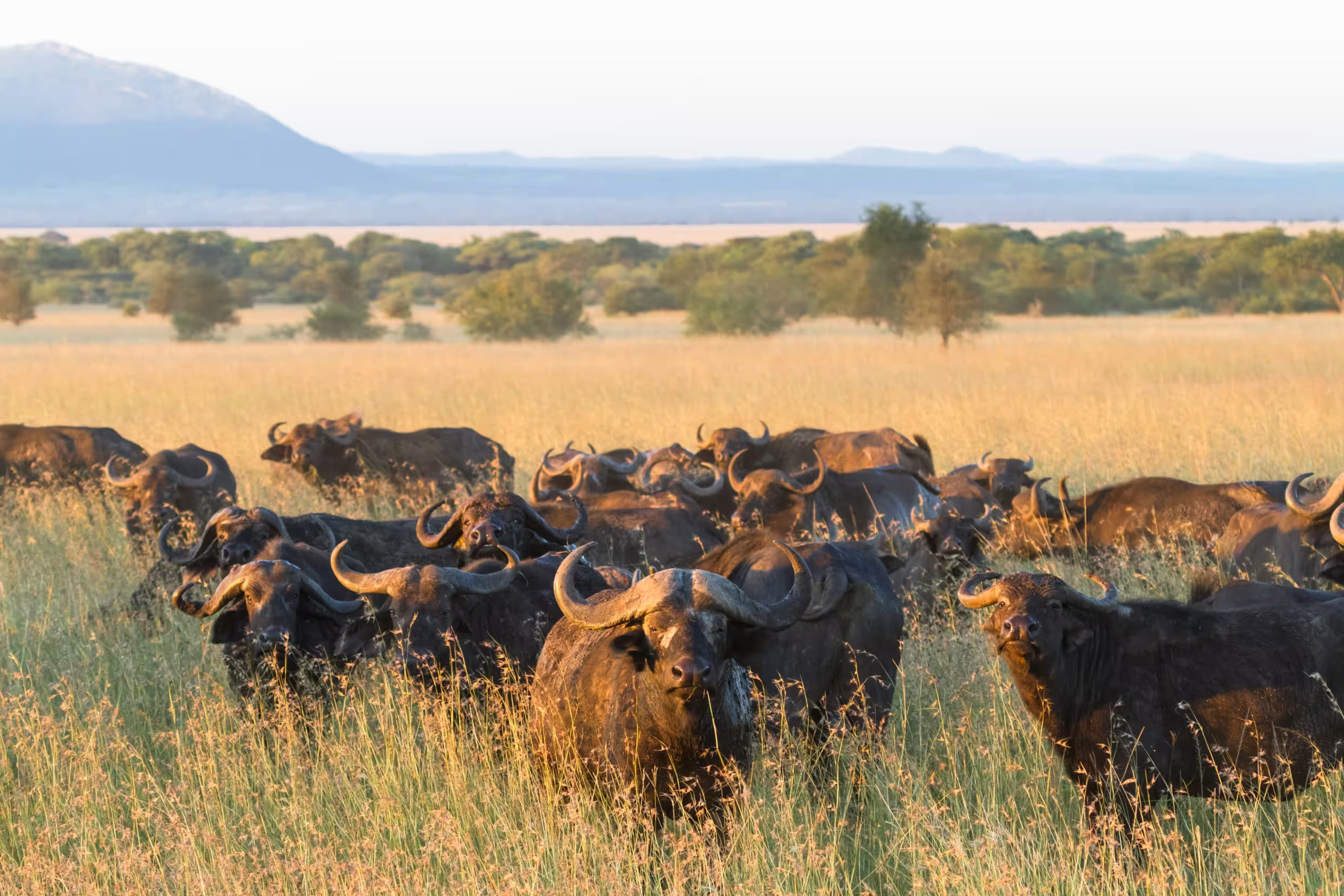
Open plains, a gentler pace than Ruaha. Tanzania's most accessible southern park.
Read more →
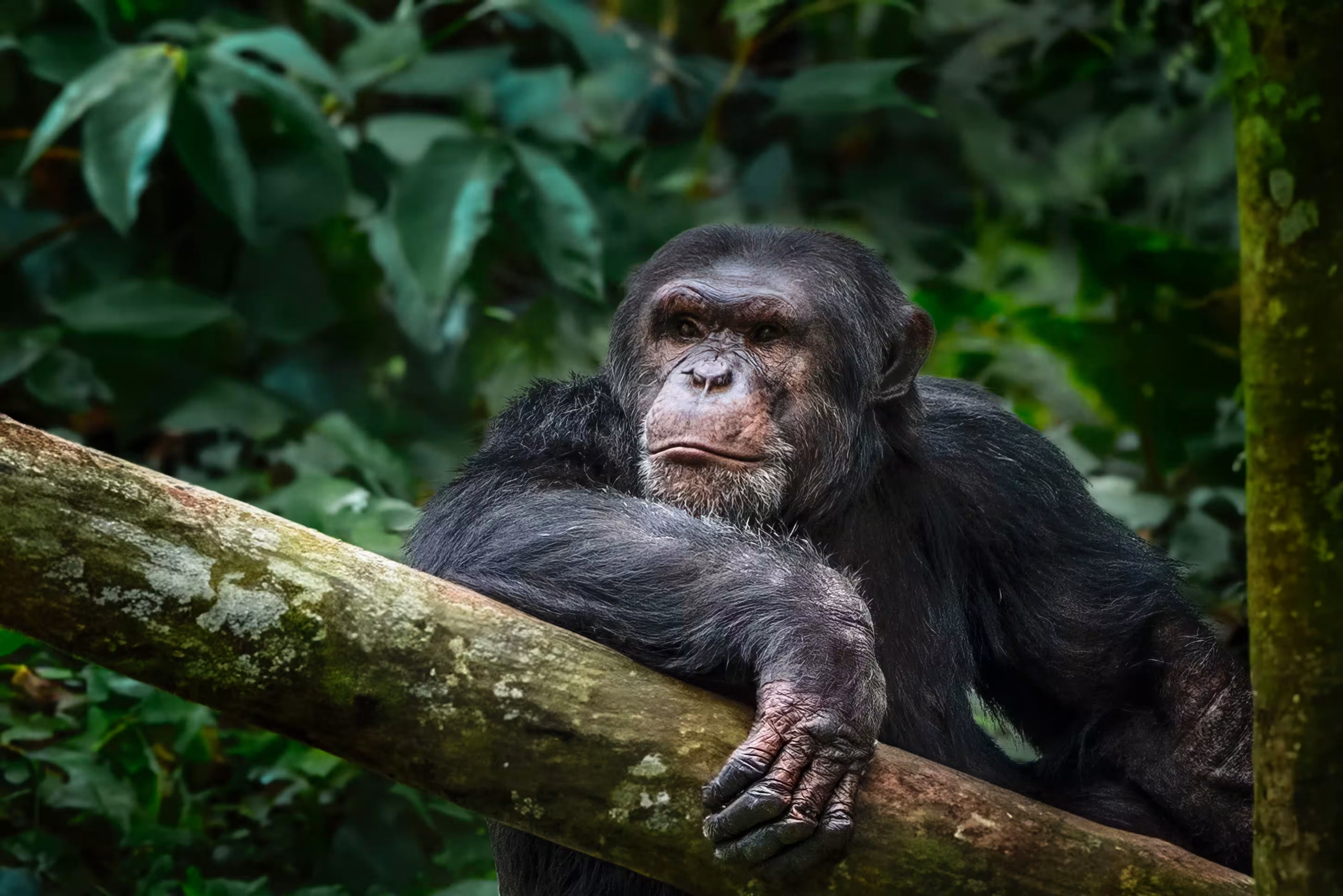
Chimpanzees in forest on the shores of Lake Tanganyika. Reachable only by small aircraft.
Read more →
Jane Goodall's park. Smallest in Tanzania, richest in primatological history.
Read more →
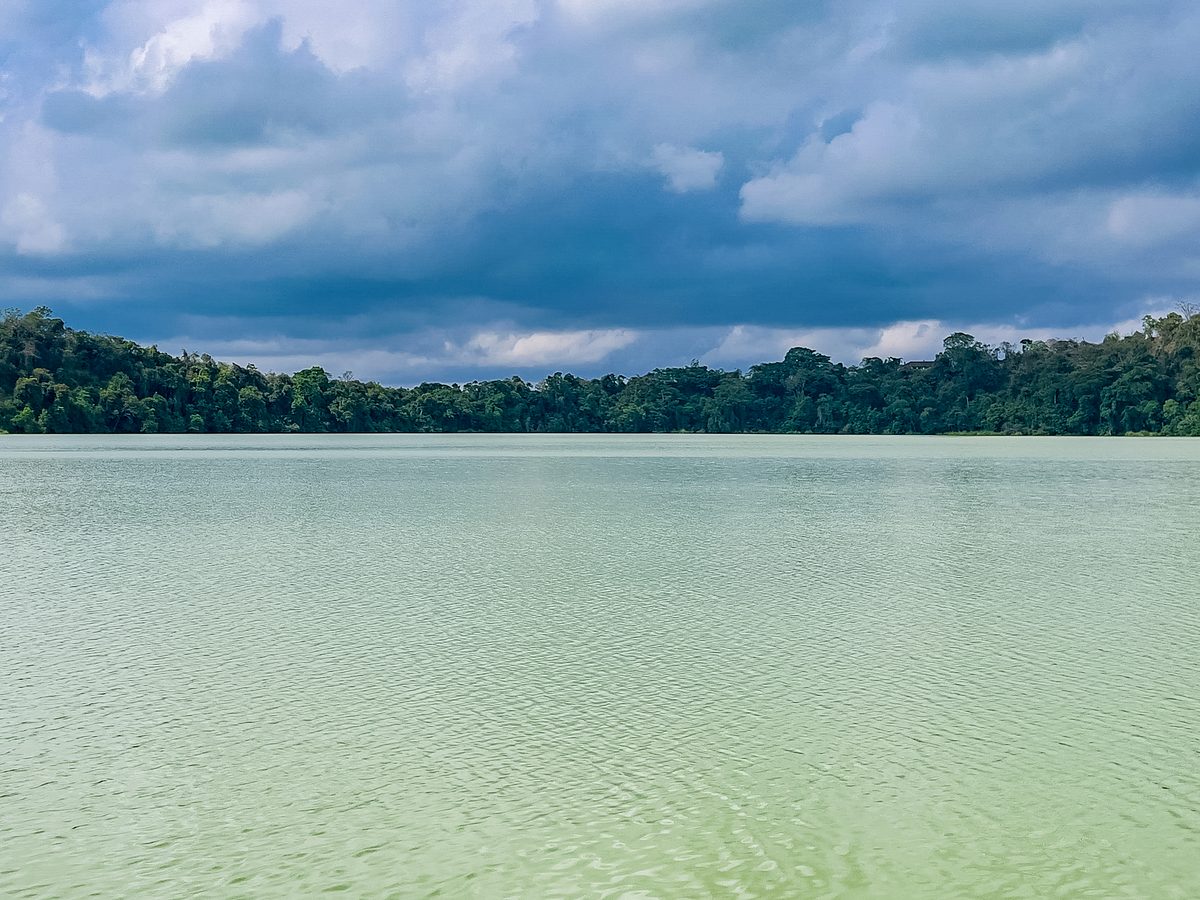
A forested island in Lake Victoria. Sitatunga antelope, elephants, fish eagles — pure quiet.
Read more →
A thousand-year-old trading town at one end, the Indian Ocean's best beaches at the other.
Read more →
Hillier, greener and far less visited than Zanzibar. Clove country, and serious wall diving.
Read more →
Tanzania's first marine park. Whale sharks off Chole Bay, and not one large resort on the island.
Read more →
The mainland coast north of Dar. A Swahili river town, limestone caves, and Saadani's bush-meets-ocean.
Read more →Every expedition can be shaped around the way you want to experience it. These are the activities our travellers ask for most.

Float at first light over the central Serengeti, then a champagne bush breakfast on the plains while the sun rises behind Kilimanjaro.
Read more →
The continent on foot, led by an armed senior ranger. Ruaha, Selous, and selected Serengeti concessions.
Read more →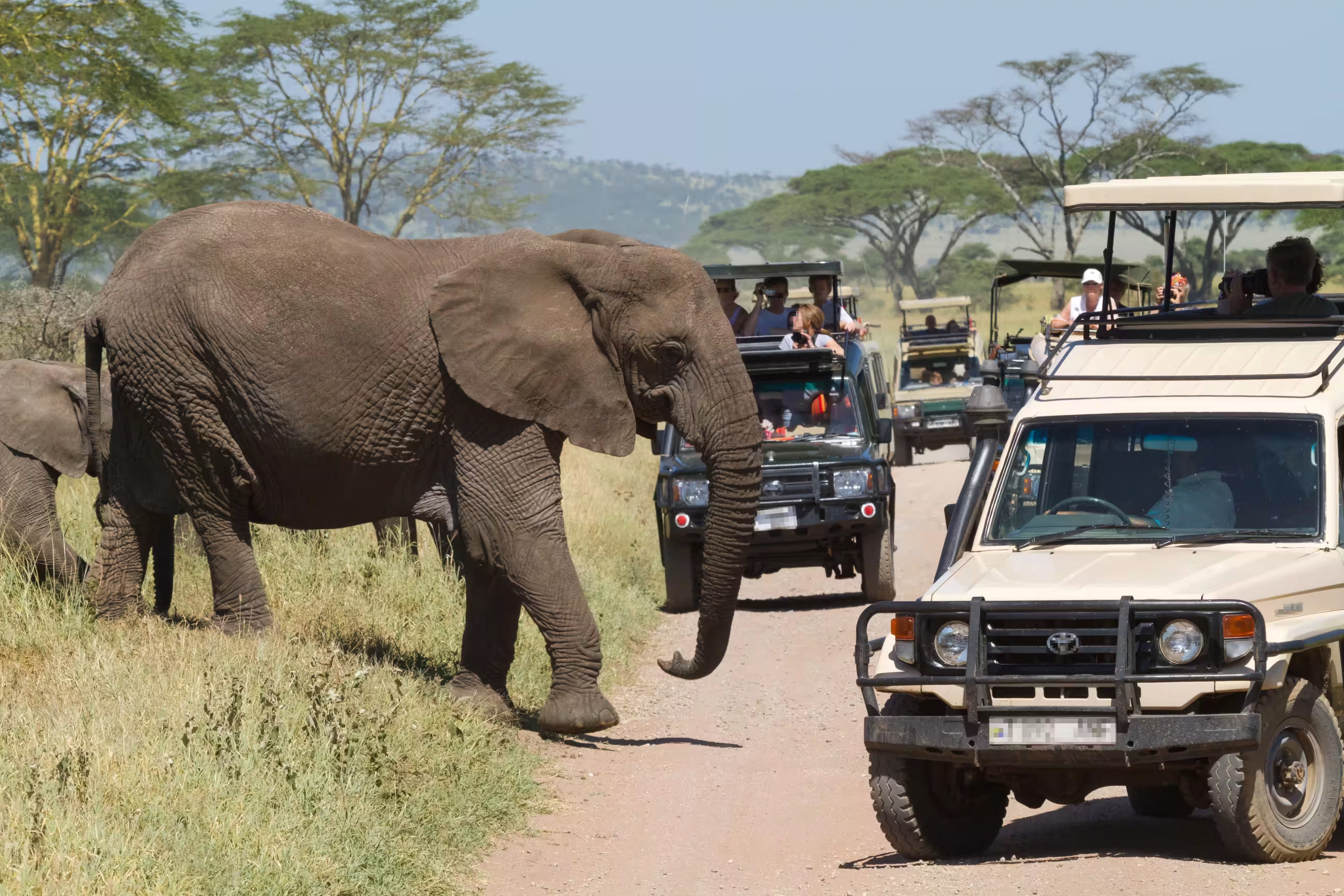
Purpose-built vehicles, patient guides, and time — the three things every serious photographer asks for.
Read more →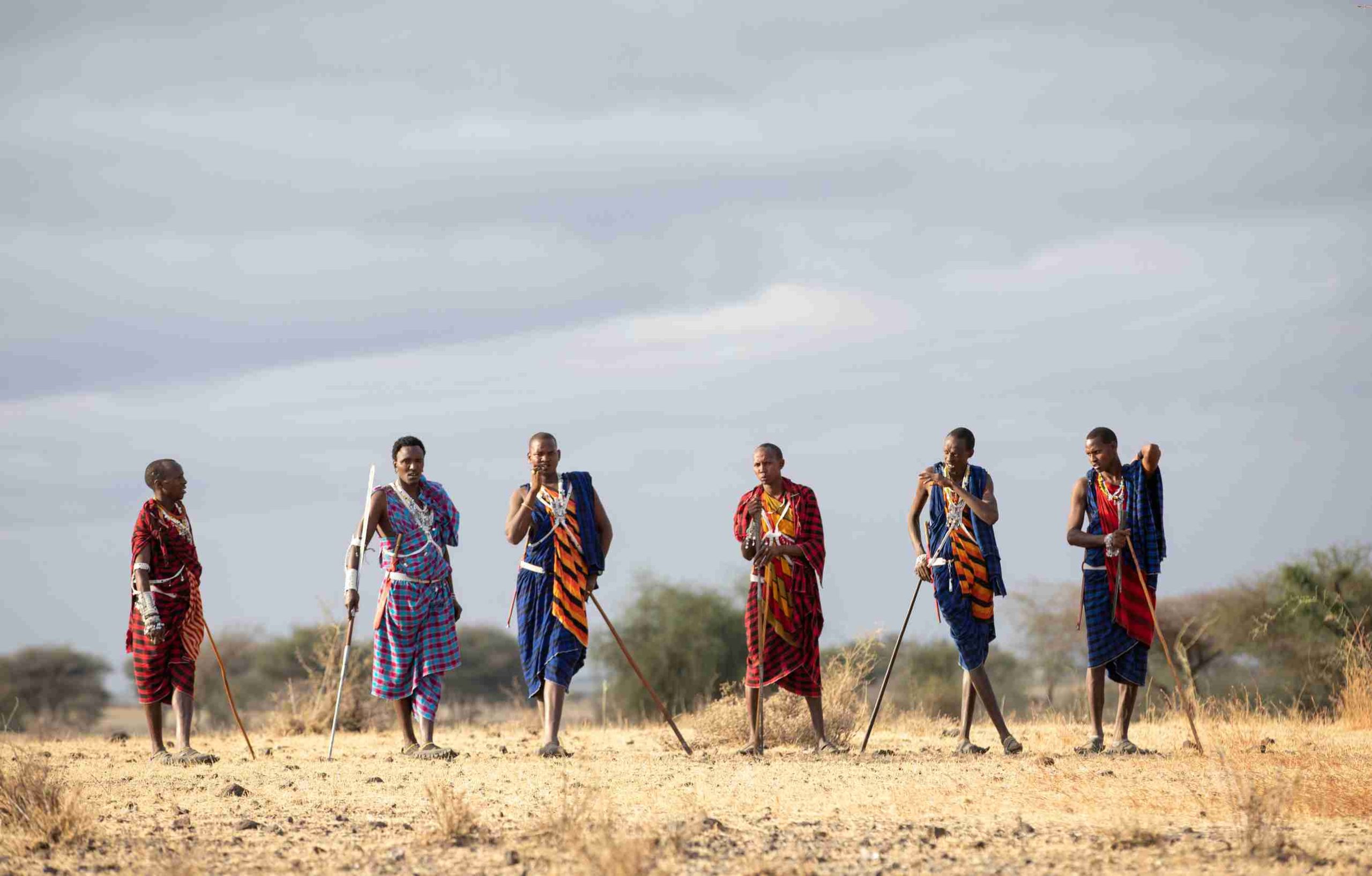
Time with the Maasai, the Hadzabe hunter-gatherers, and the coffee farmers of Arusha — never as performance.
Read more →
Full-day drives with bush lunches, guided by naturalists who have logged twenty seasons in these parks.
Read more →
Over a thousand bird species call Tanzania home. Our specialist guides will help you see a hundred in a single week.
Read more →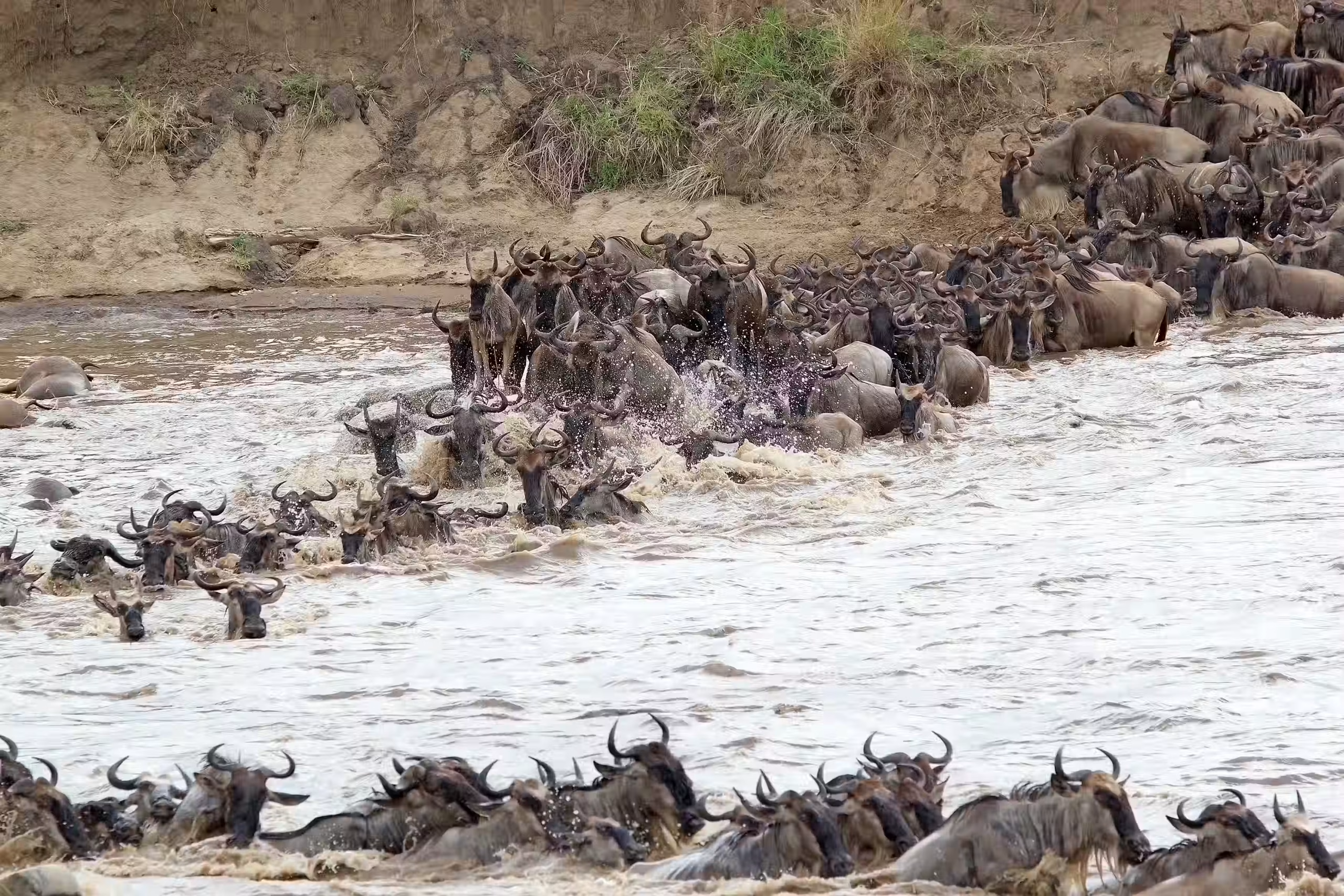
Follow the herds through the northern Serengeti at the season of the river crossings. Private mobile camp, senior guide, unhurried days.
Read itinerary →
Tarangire, Ngorongoro, and the Serengeti — the three parks that built Tanzania's reputation, at the pace they deserve.
Read itinerary →
Seven days on safari, four on the Swahili coast. The two halves of Tanzania most travellers wish they had given more time to.
Read itinerary →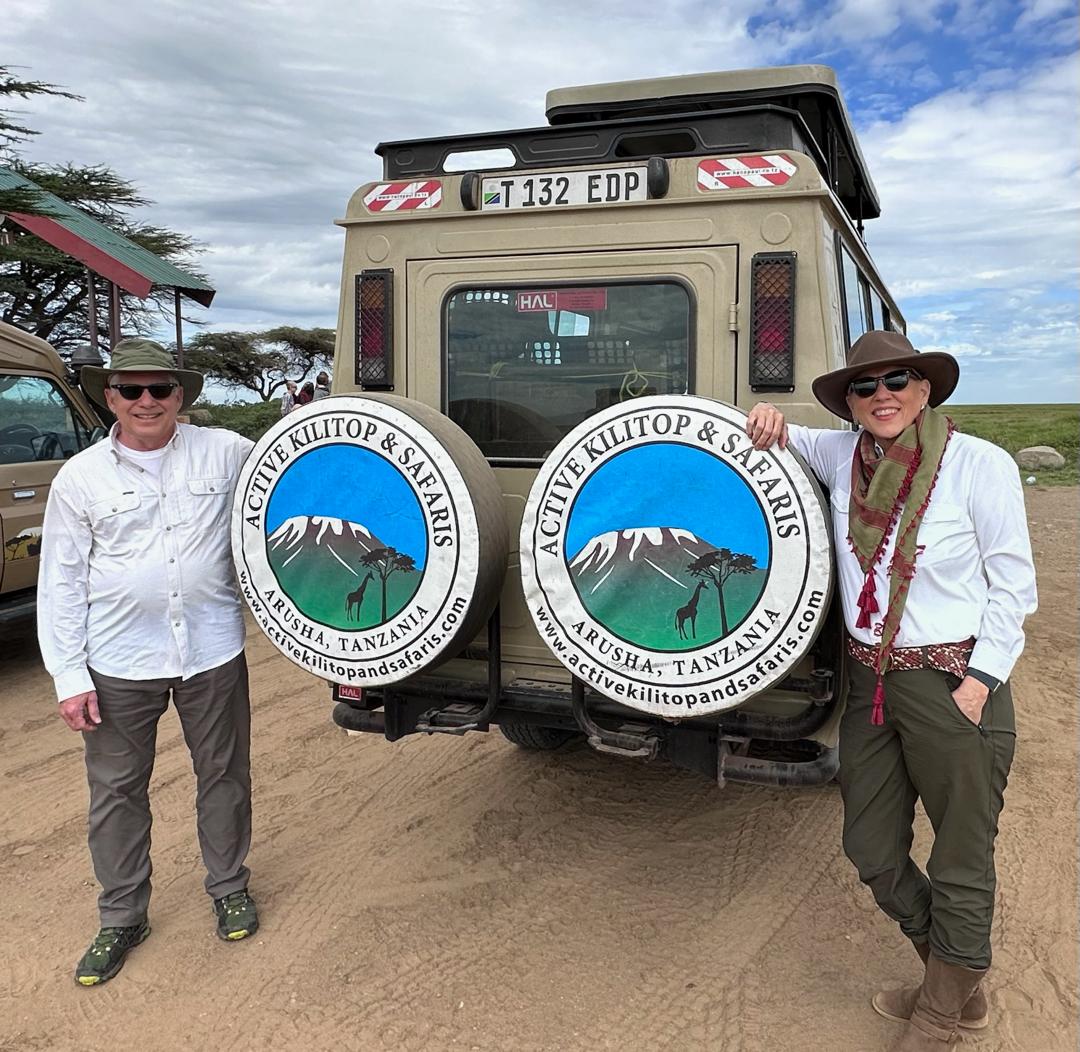
A safari built around children and grandparents alike — shorter drives, family tents, guides who light up when the young ones ask questions.
Read itinerary →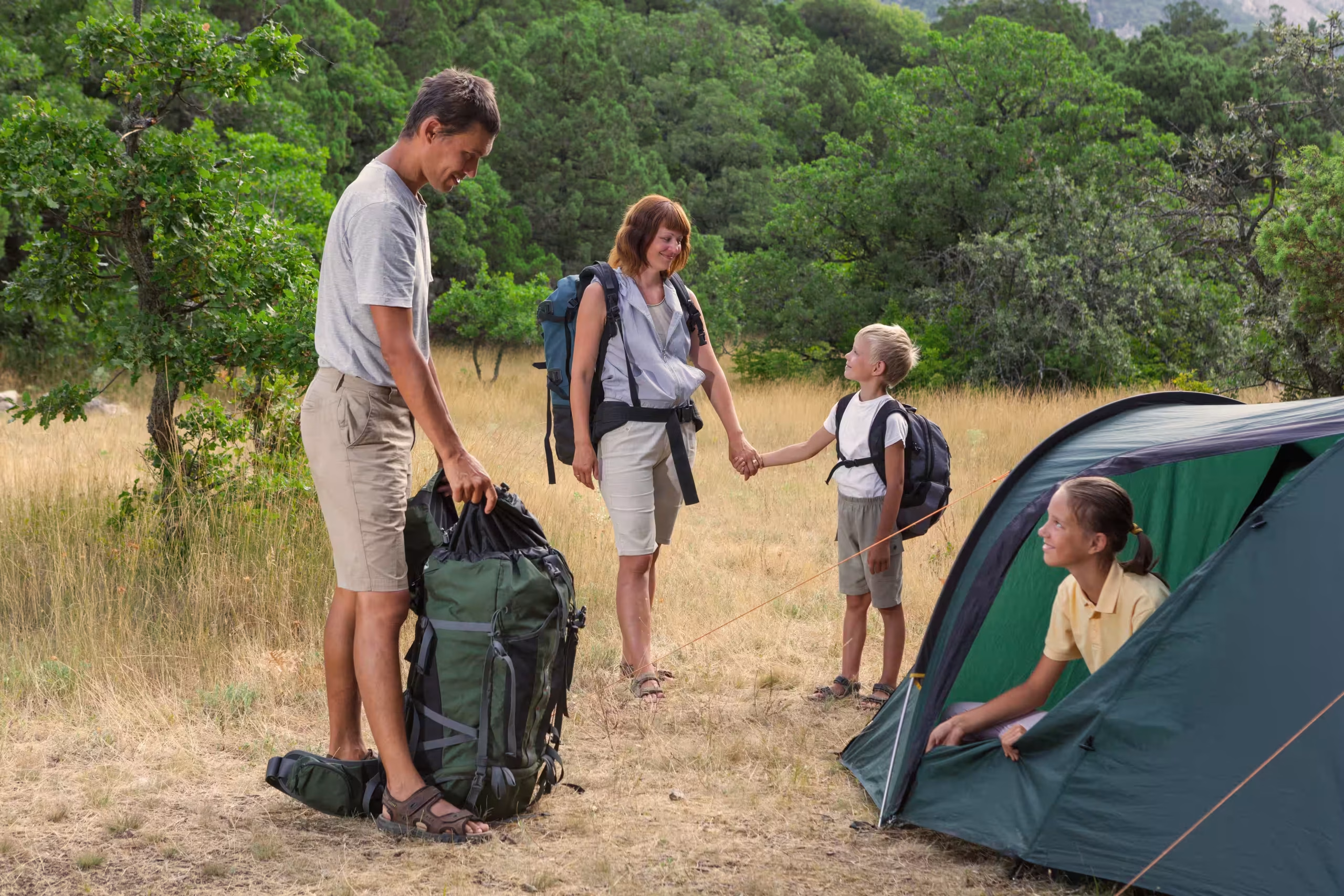
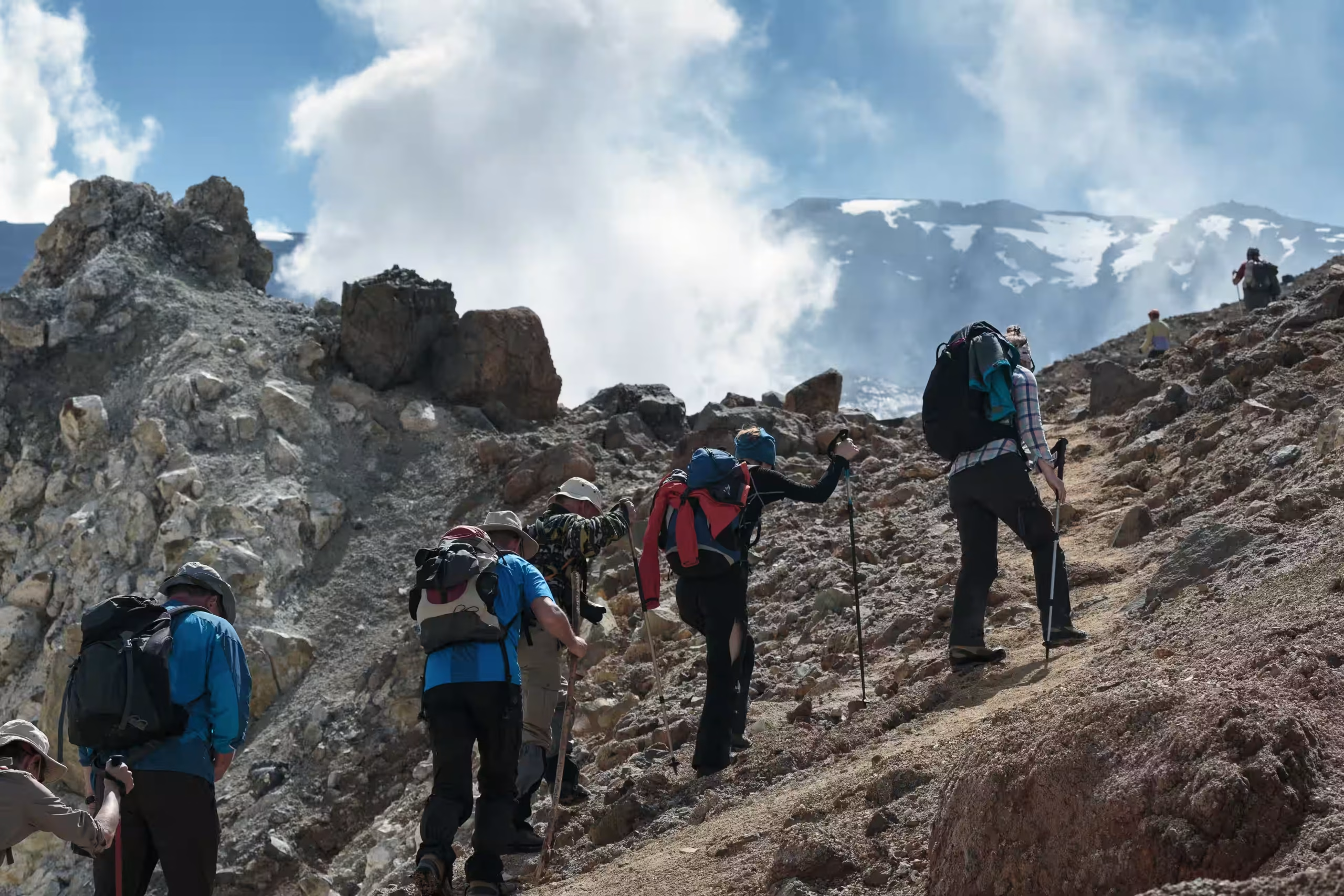
Ruaha and Selous on foot. For travellers who want to feel the continent under their boots, not only through a window.
Read itinerary →
Intimate tented camps, a private crater lodge, and a quiet stretch of Pemba Island. Designed for two, paced for two.
Read itinerary →Most Active Kili Top journeys end in the water. The Swahili coast is not an afterthought — it is the counterweight to three weeks of savannah, and for many travellers it is where the trip becomes unforgettable. Four very different stretches of it, and what each one is actually for.

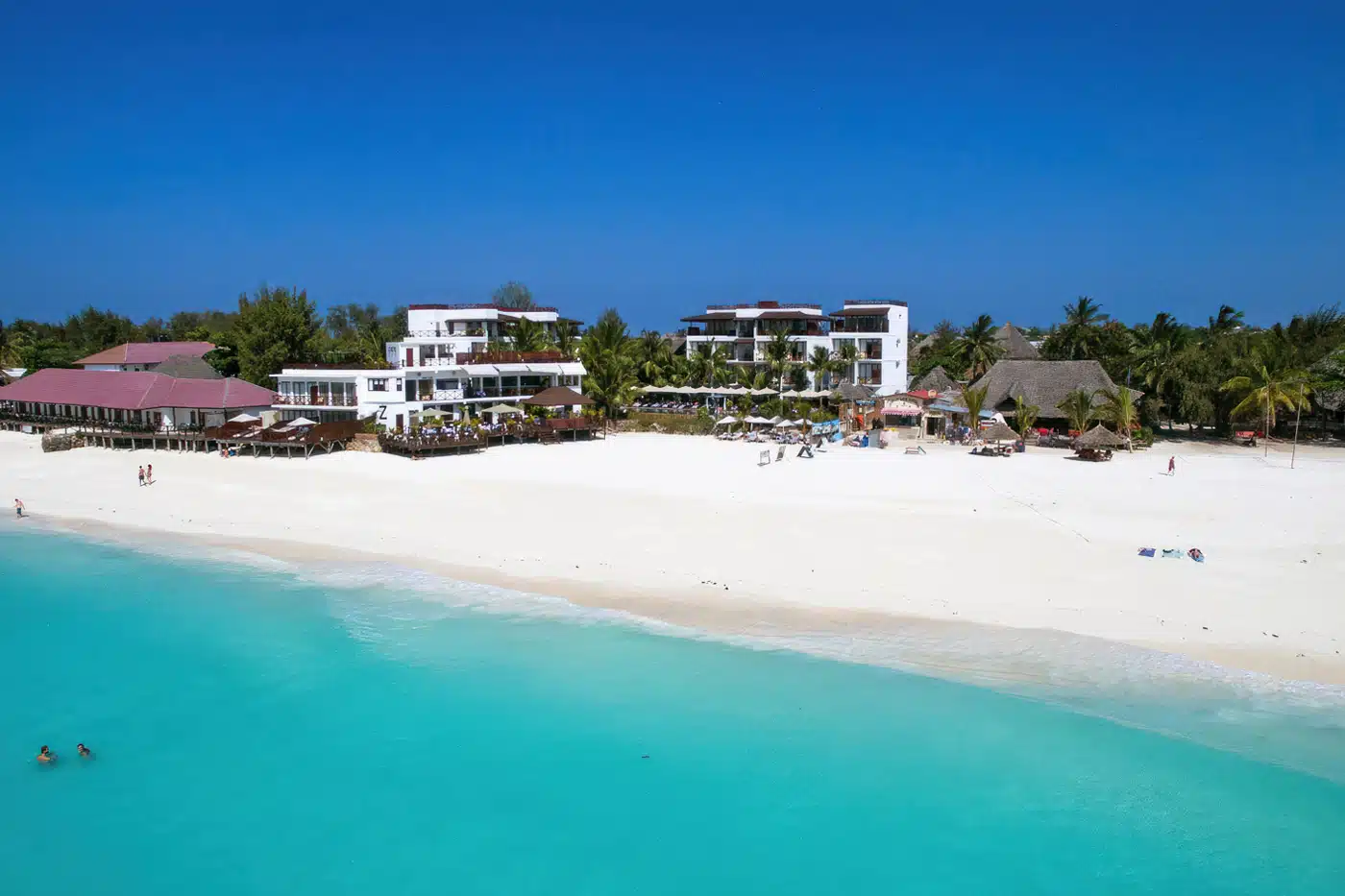
A UNESCO-listed maze of coral-rag alleys and carved doors, then an hour’s drive to sand that squeaks underfoot. This is the island most people mean when they say Zanzibar — and it rewards more than three nights.

Hillier, greener and far quieter than Unguja. Pemba’s reefs drop straight into deep channel — the finest wall diving in Tanzania, with almost nobody else on it. Come here if the point is to get away from the point.

From October to March whale sharks feed in the channel off Kilindoni — one of a handful of places on earth where you can reliably swim beside them. The rest of the year the bay belongs to the turtles and the reef.

The stretch almost nobody visits. Amboni holds the largest limestone cave system in East Africa; an hour south, Saadani is the only national park in Tanzania where the bush runs straight into the ocean — elephant tracks on the tideline.
Any of these can be added to a safari or a Kilimanjaro climb. Most travellers give the coast four nights — we would argue for six.
How a small, closely watched population of black rhino are holding on inside the crater — who counts them, what the numbers actually say, and the few things a visiting traveller can genuinely do to help.
Read the piece →
Field diary from a March week among the largest elephant herds in northern Tanzania — and the oldest baobabs we have ever stood under.

On the coalitions, the territories, and the particular grandeur of the Serengeti’s most storied residents.
 ✓Local Arusha team
✓Private guides and vehicles
✓Local Arusha team
✓Private guides and vehicles
Tell us a little about the trip you have in mind: when you would like to travel, who is coming and what you most want to see.
A planner in our Arusha office reads every request and writes back with a route that fits.
We usually reply within two hours.
Or message us on WhatsApp Active Kilitop and SafarisSafari planner